
Aston Martin Valkyrie Returns to Sebring as IMSA Hypercar Program Celebrates First Anniversary
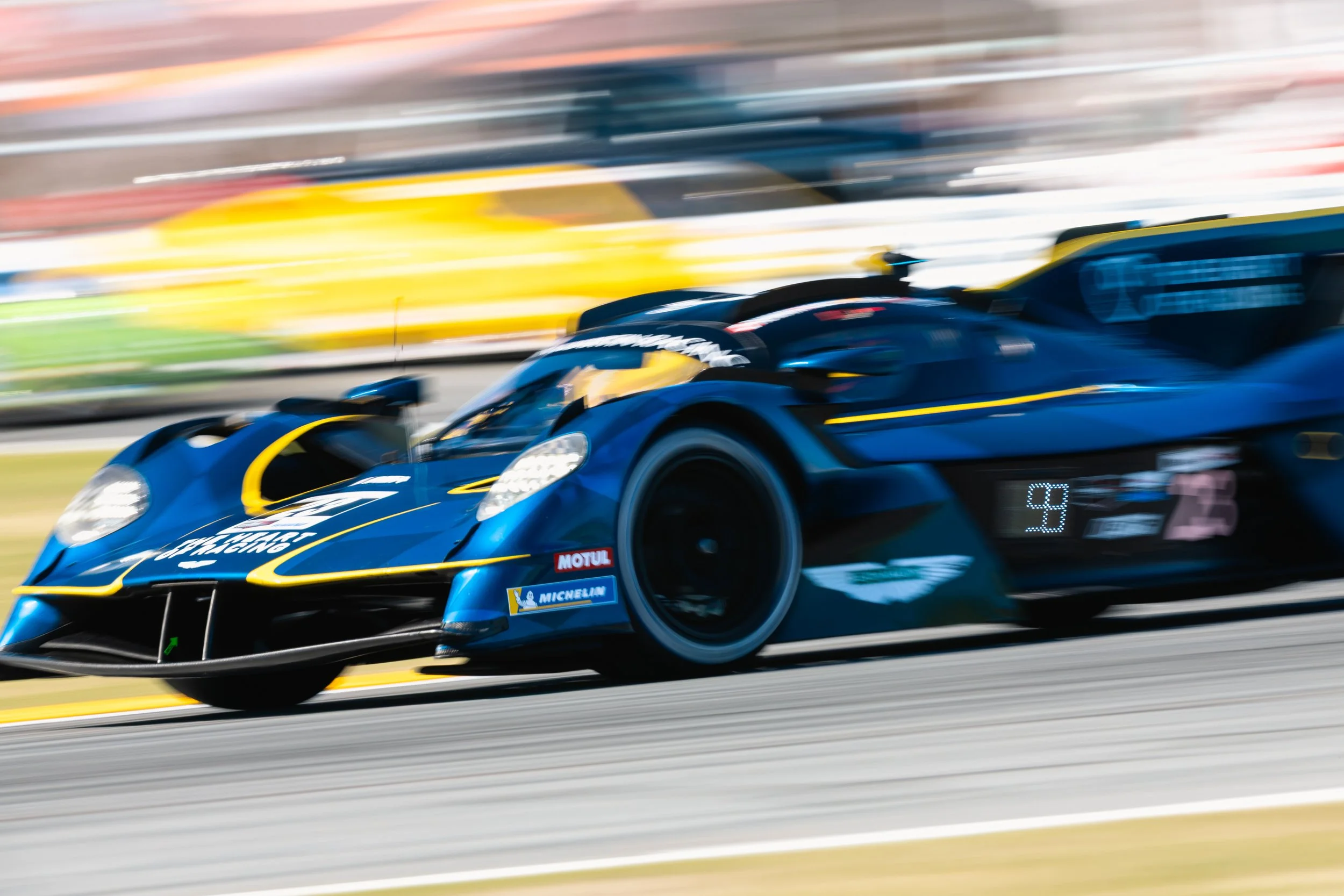
Image: Newspress UK / Aston Martin
Aston Martin is preparing to return to one of the most demanding endurance races in motorsport as the Valkyrie hypercar competes in the 2026 Mobil 1 12 Hours of Sebring. The iconic race, held at the historic Sebring International Raceway in Florida, marks a special milestone for the British manufacturer: the first anniversary of the Valkyrie’s debut in the IMSA WeatherTech SportsCar Championship.
The event, scheduled for 21 March 2026, represents the second round of the IMSA season and will see Aston Martin’s extreme hypercar once again tackling one of the toughest endurance circuits in the world.
A Return to the Scene of the Valkyrie’s IMSA Debut
Sebring holds particular significance for the Valkyrie racing program. It was at this very circuit that the competition version of the hypercar made its IMSA debut in 2025.
Now, one year and six days after that first appearance, Aston Martin returns with greater experience, more data, and renewed ambition. The Valkyrie program has evolved significantly since that initial outing, and the team hopes the lessons learned during the past season will translate into stronger performance in 2026.
The Valkyrie will line up for its 10th IMSA race, continuing its development within the highly competitive GTP class.
A Unique Hypercar in Modern Endurance Racing
What sets the Aston Martin Valkyrie apart in modern endurance racing is its origin.
Unlike many competitors that were designed purely as prototype race cars, the Valkyrie is derived from a road-going hypercar, making it unique among the entries competing in both the IMSA WeatherTech SportsCar Championship and the FIA World Endurance Championship.
This connection between road and race technology reflects Aston Martin’s long-standing philosophy of transferring engineering expertise from motorsport to production vehicles.
The racing version of the Valkyrie features a race-optimized carbon-fibre chassis combined with a modified version of its naturally aspirated 6.5-litre V12 engine, capable of revving to an astonishing 11,000 rpm.
While the road car produces well over 1,000 horsepower, racing regulations limit the engine output to 500 kW (approximately 680 hp) in competition.
Despite these restrictions, the Valkyrie remains one of the most technically fascinating hypercars competing in global endurance racing.
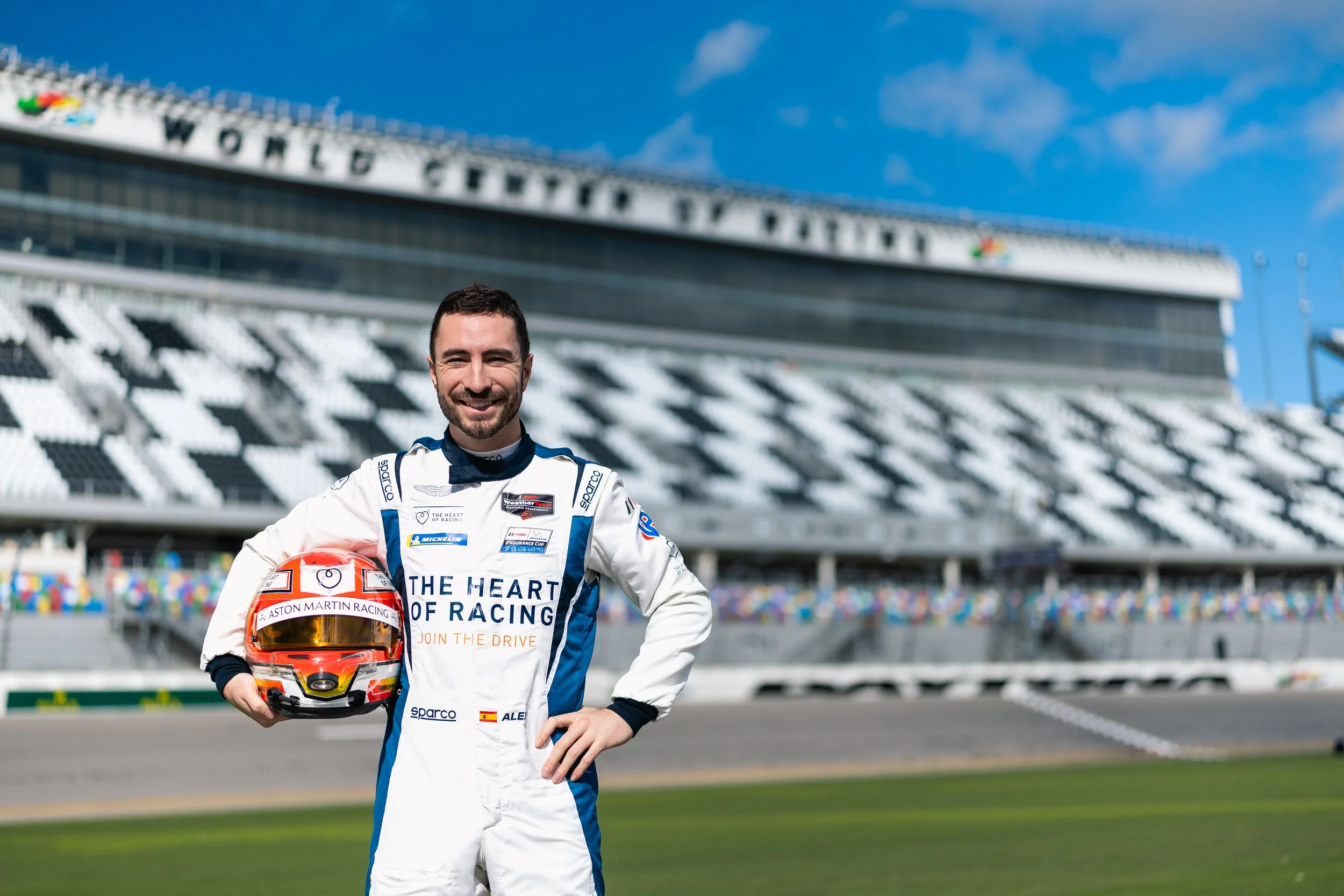
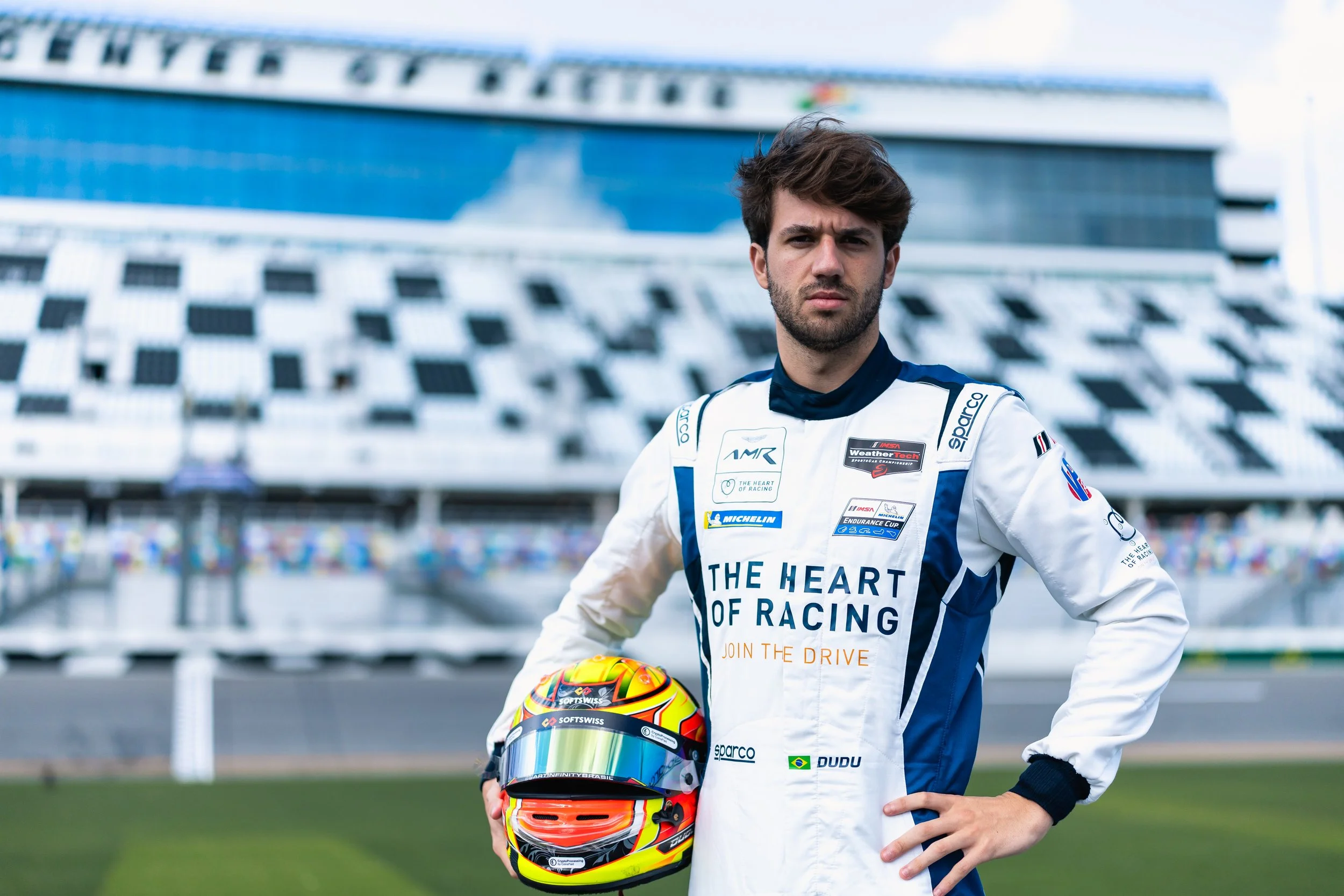
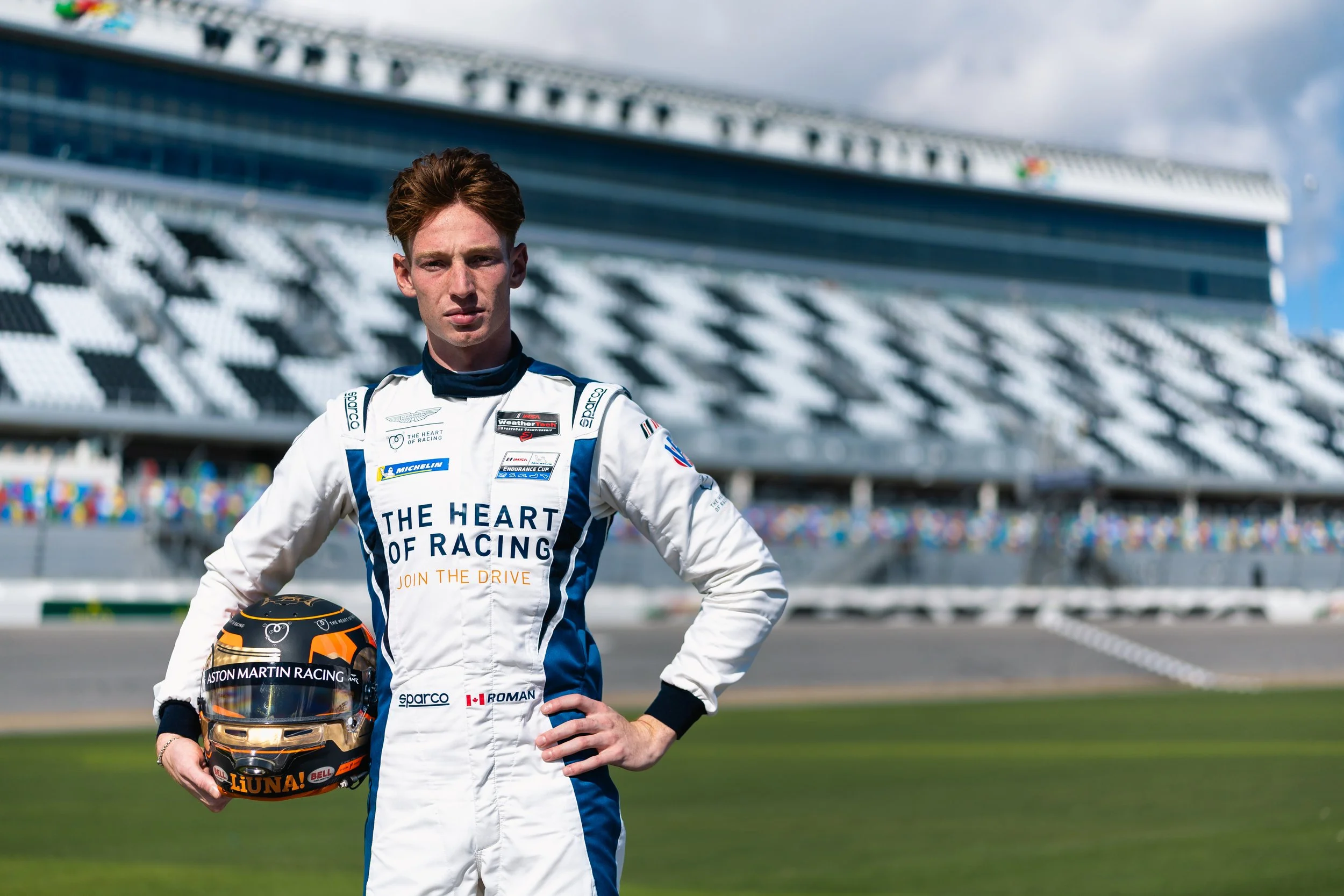
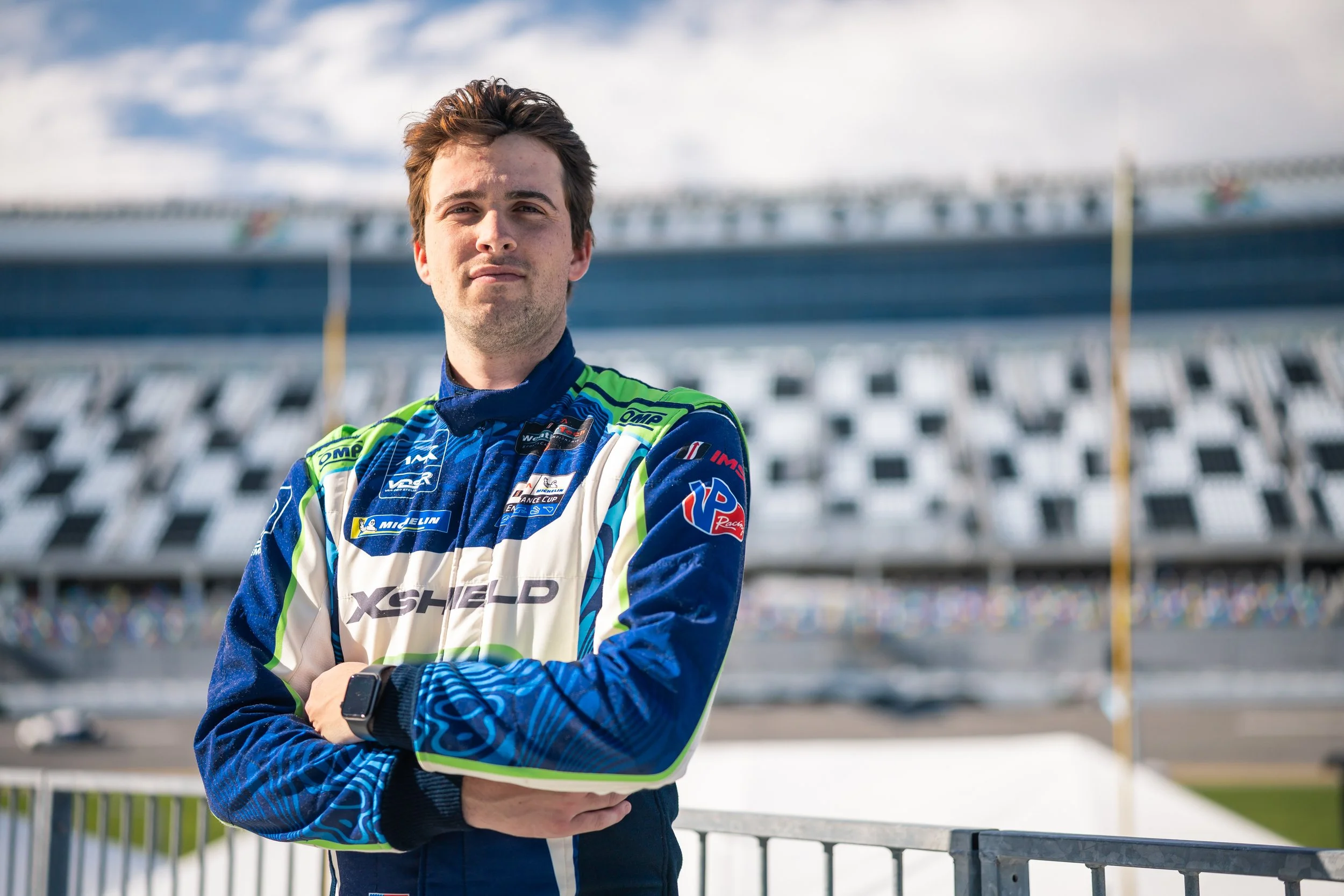
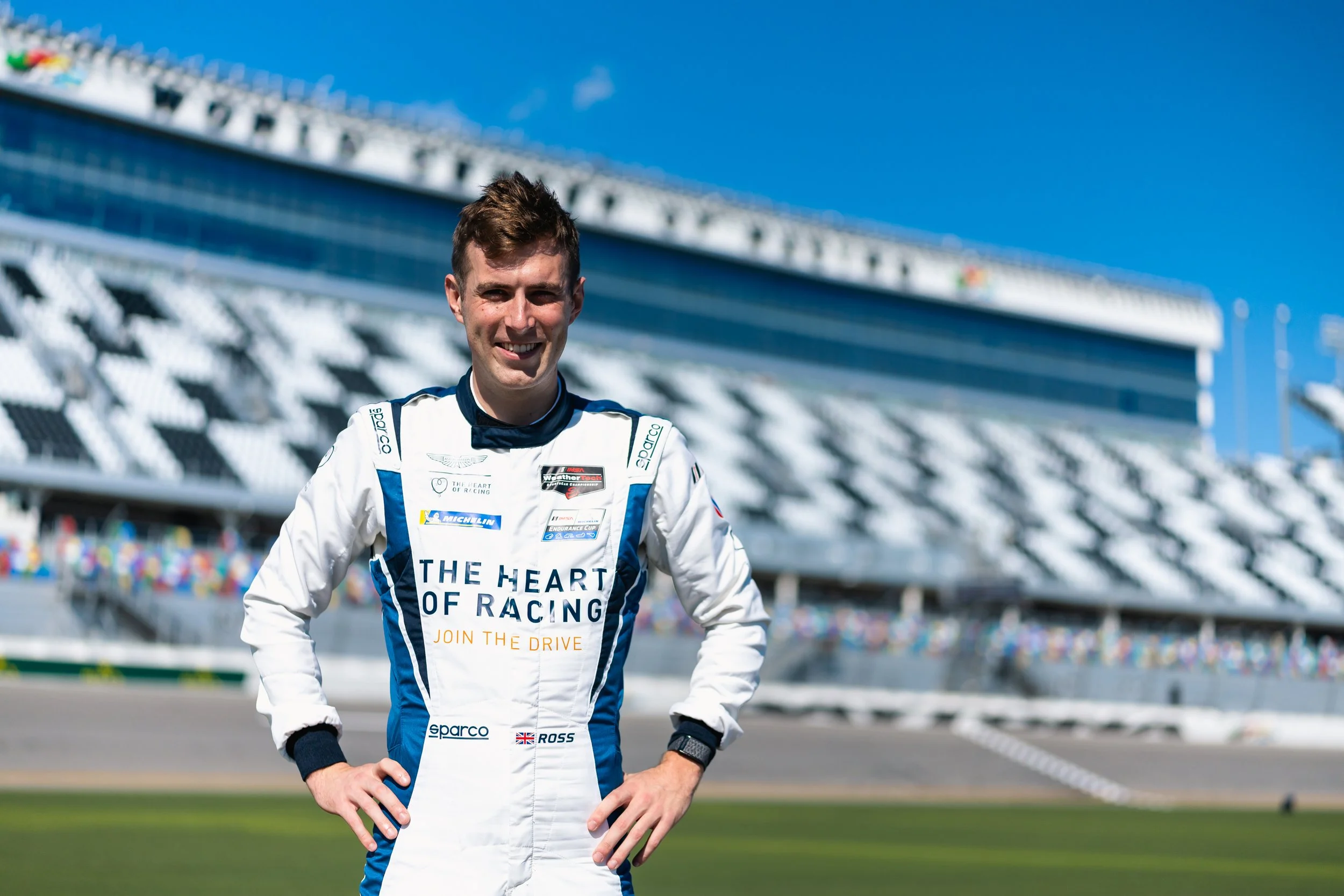
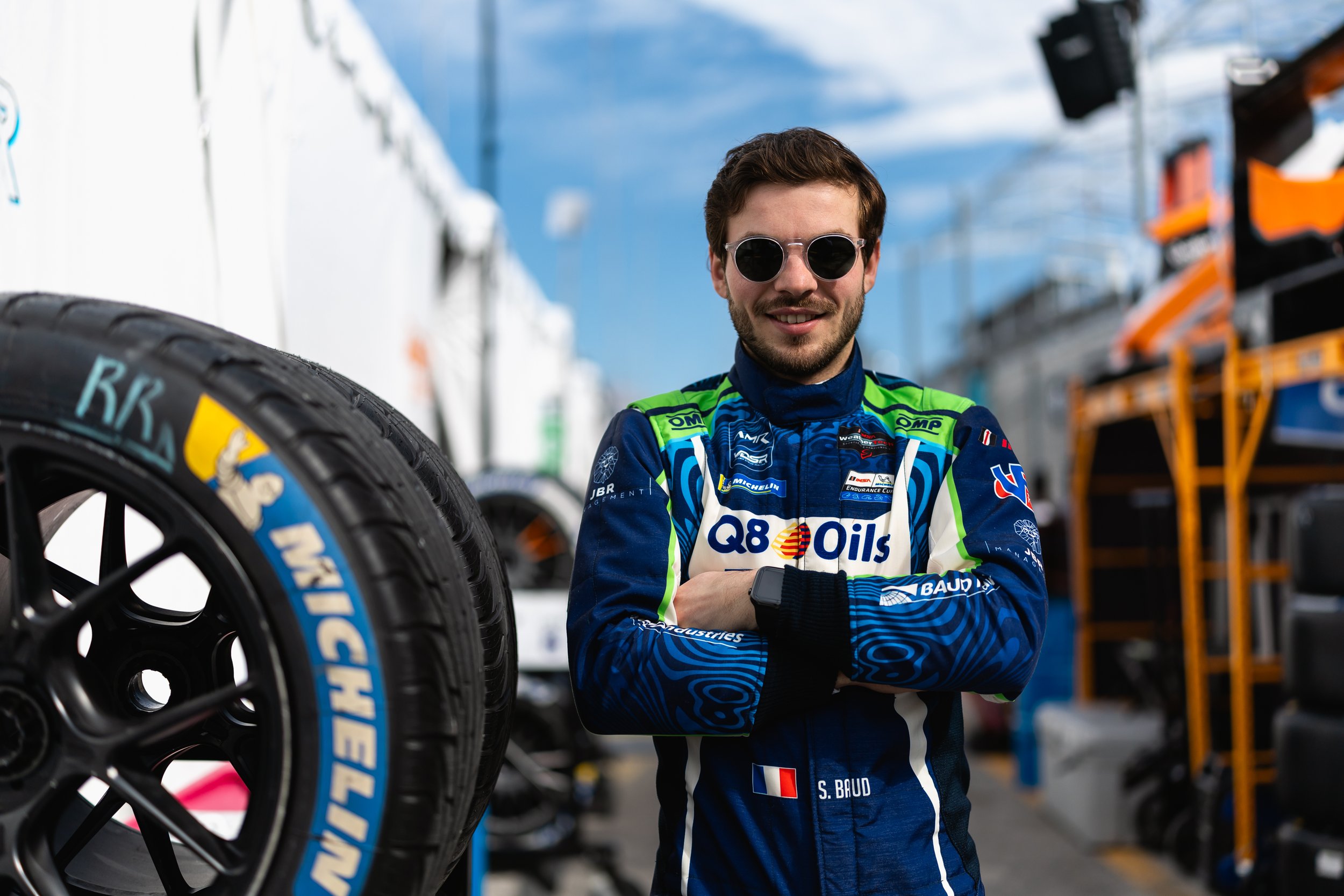

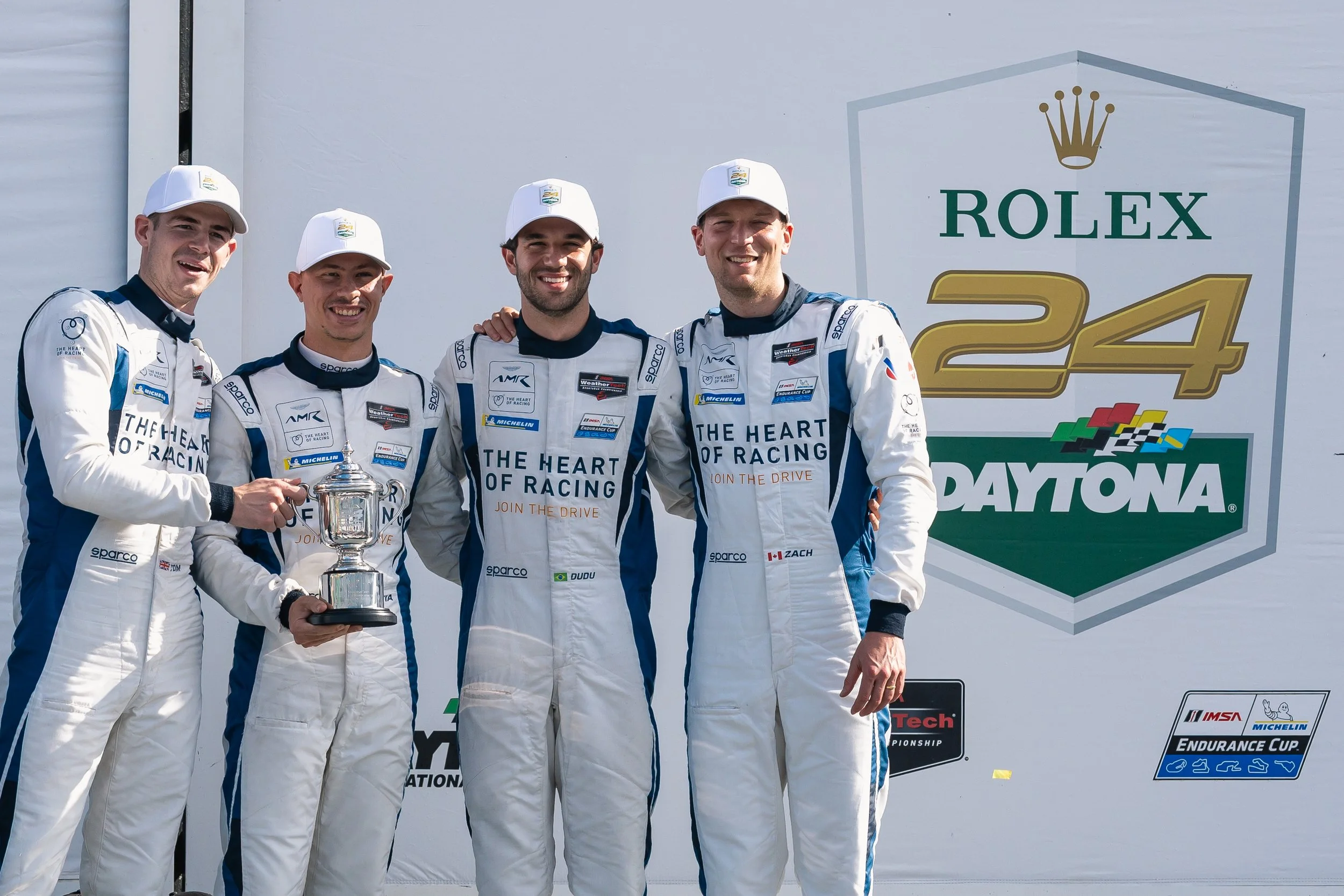
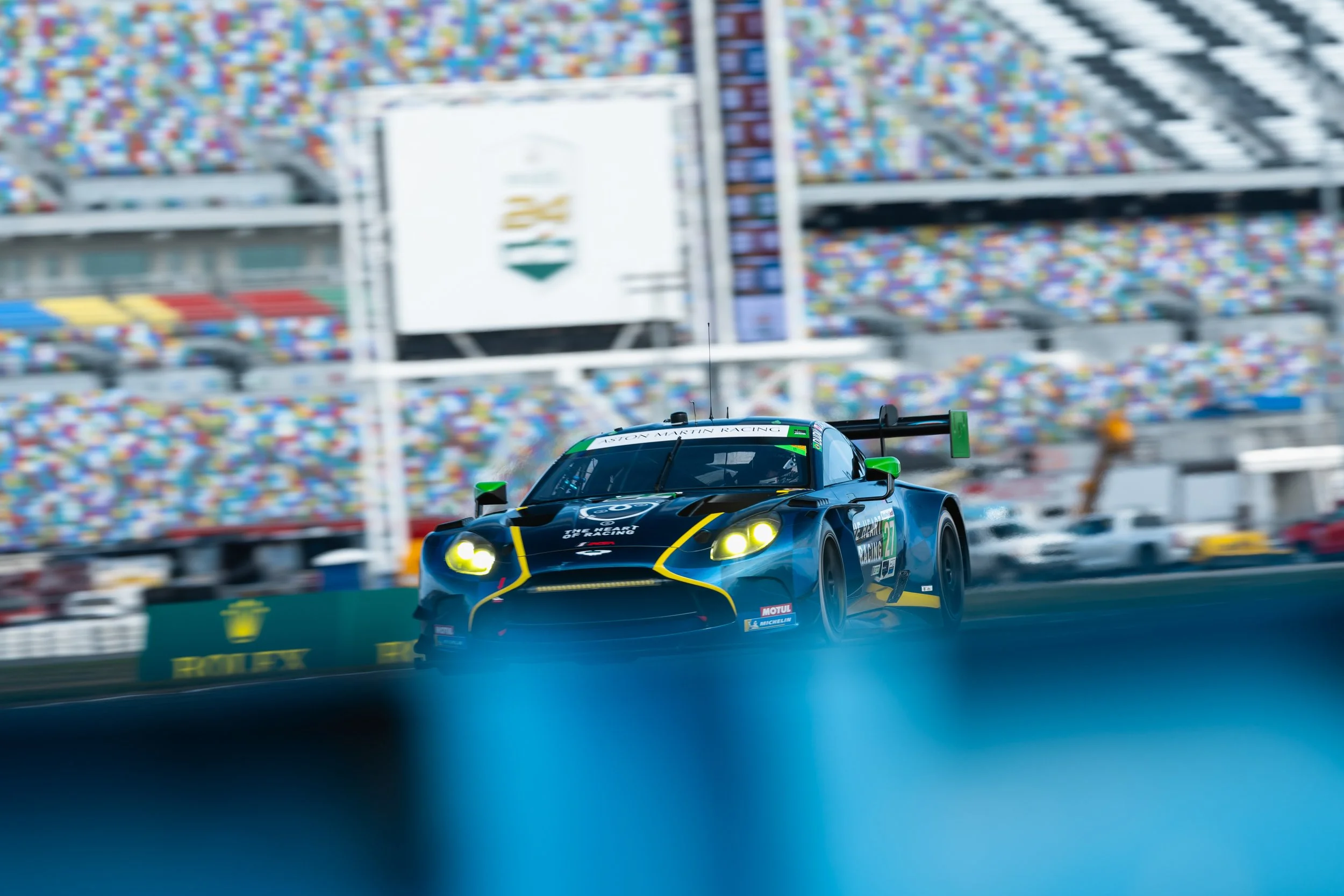
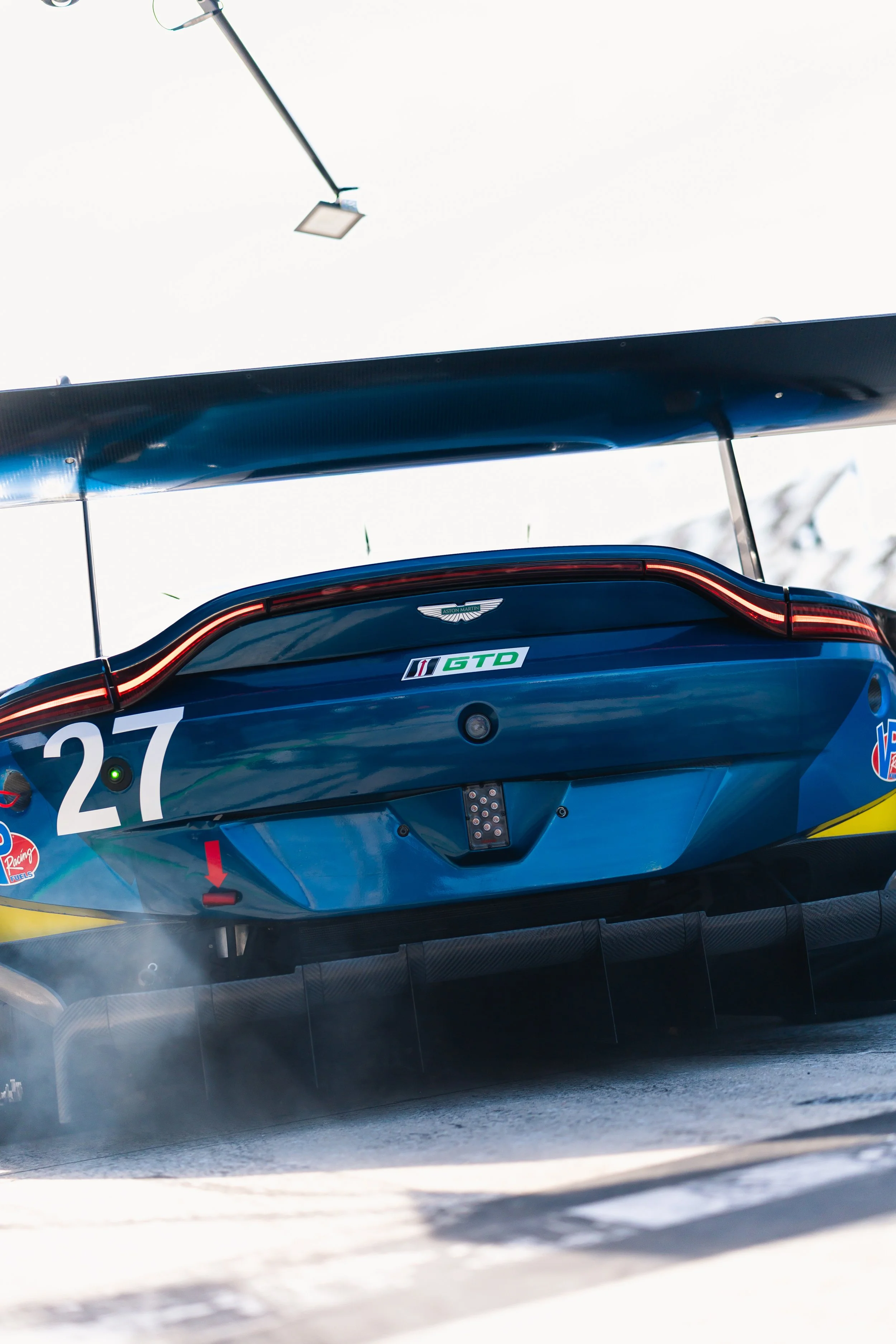
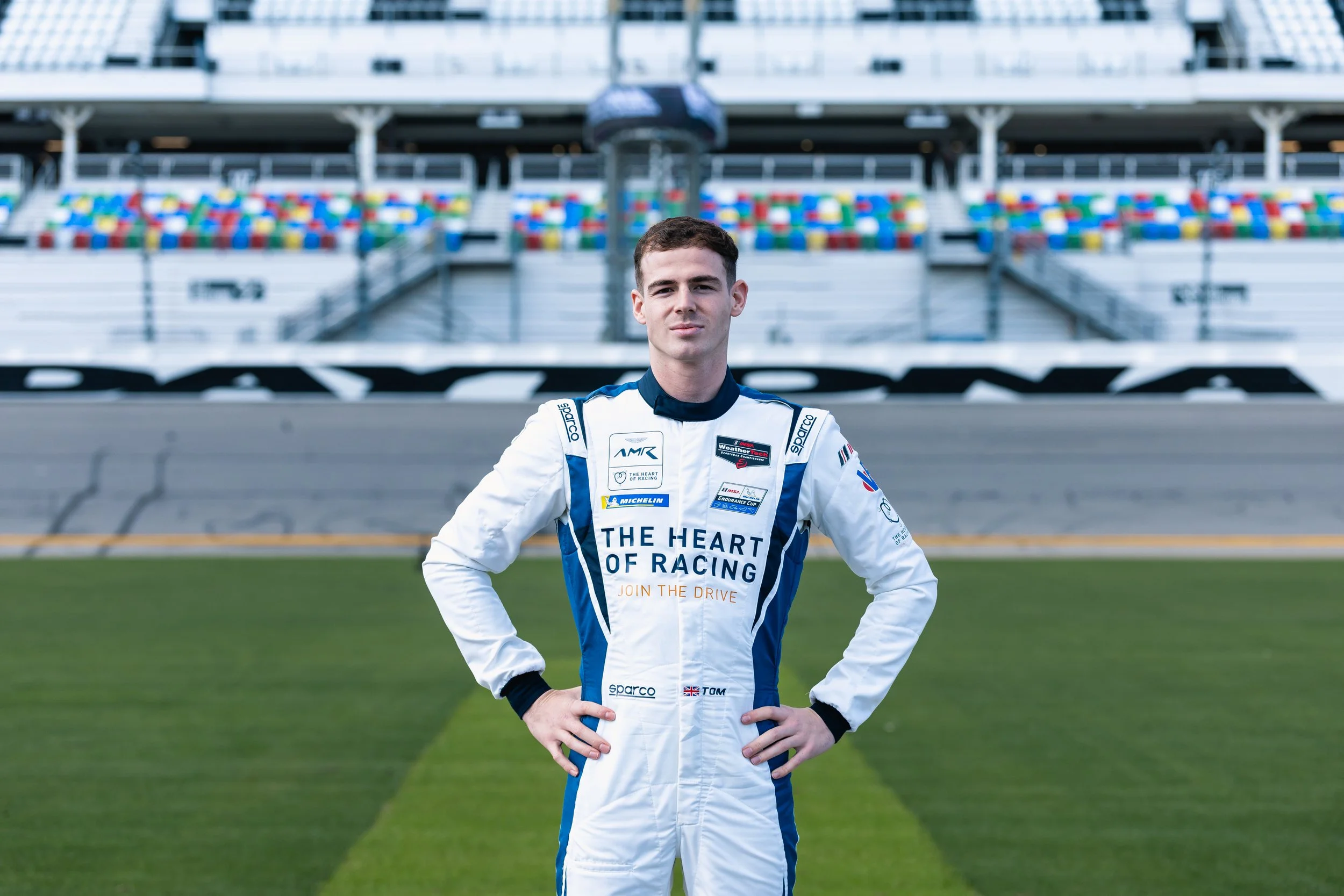
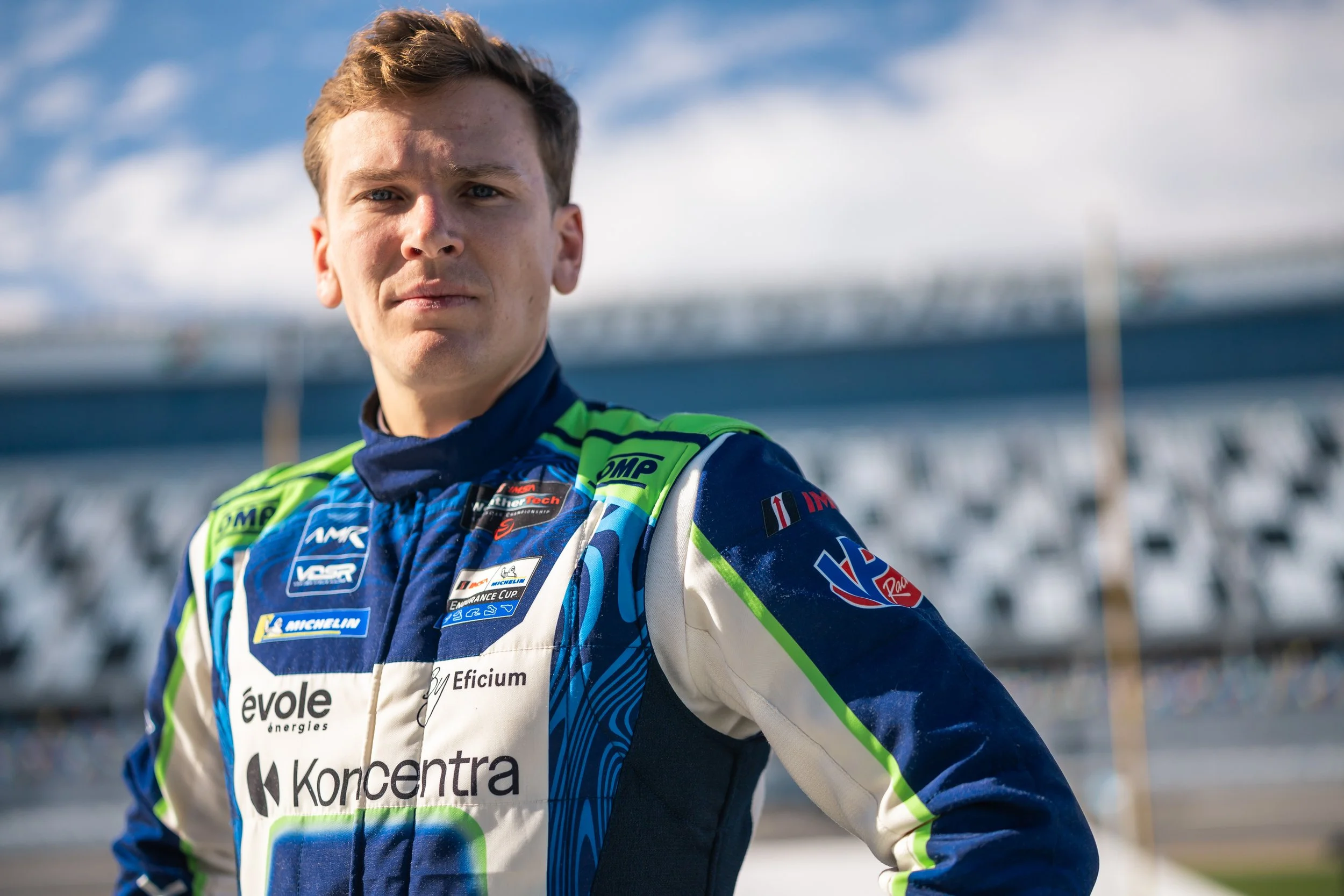
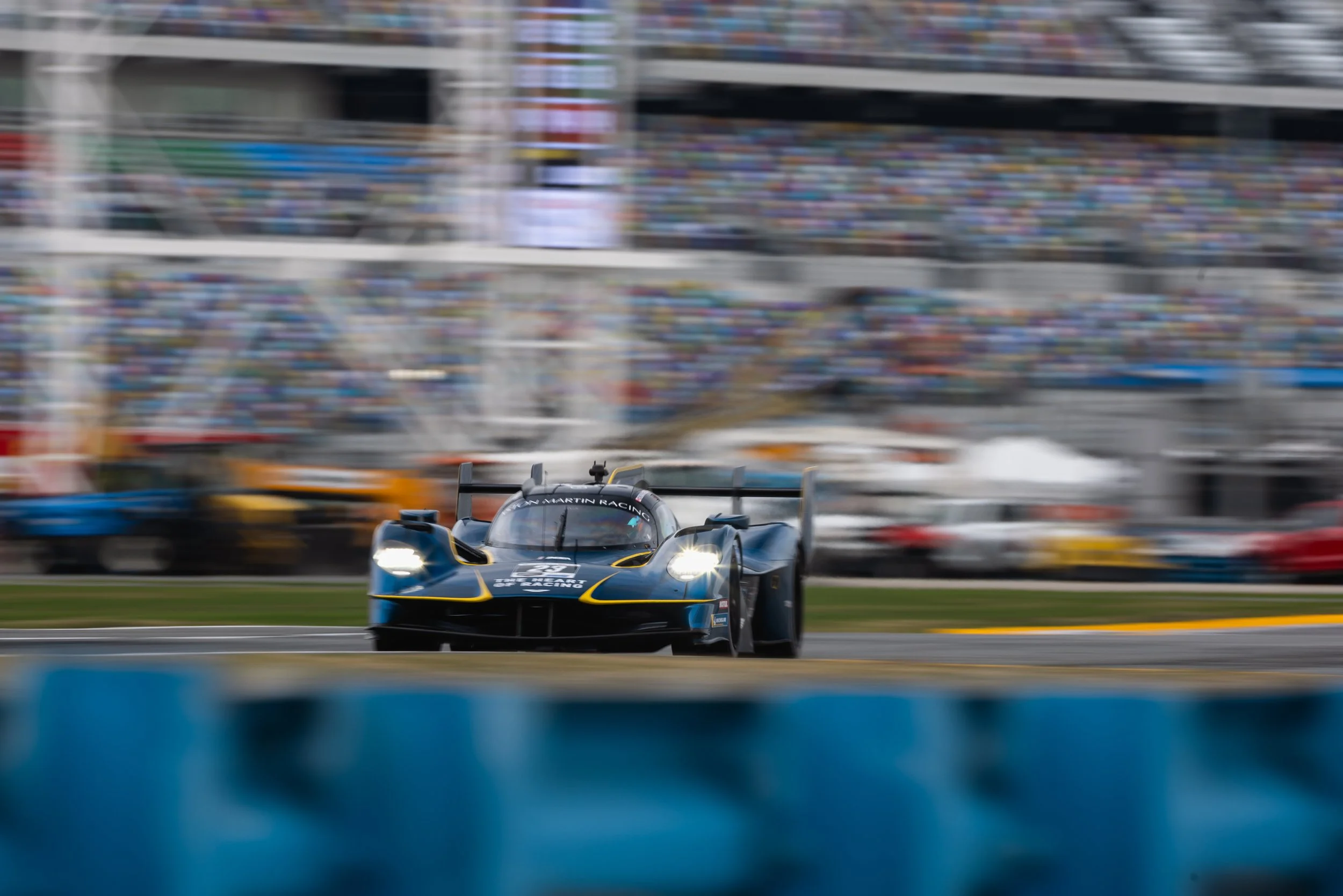
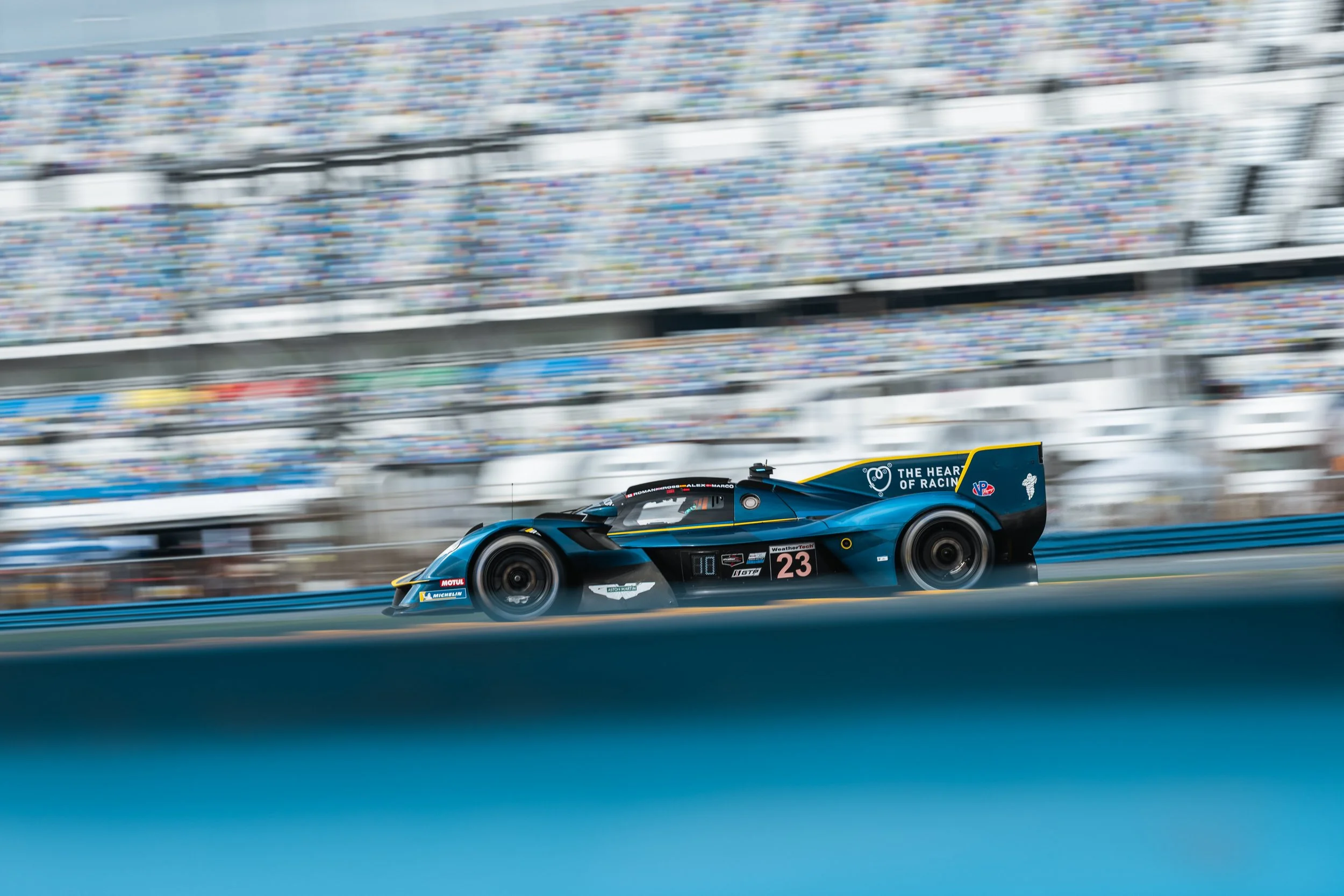

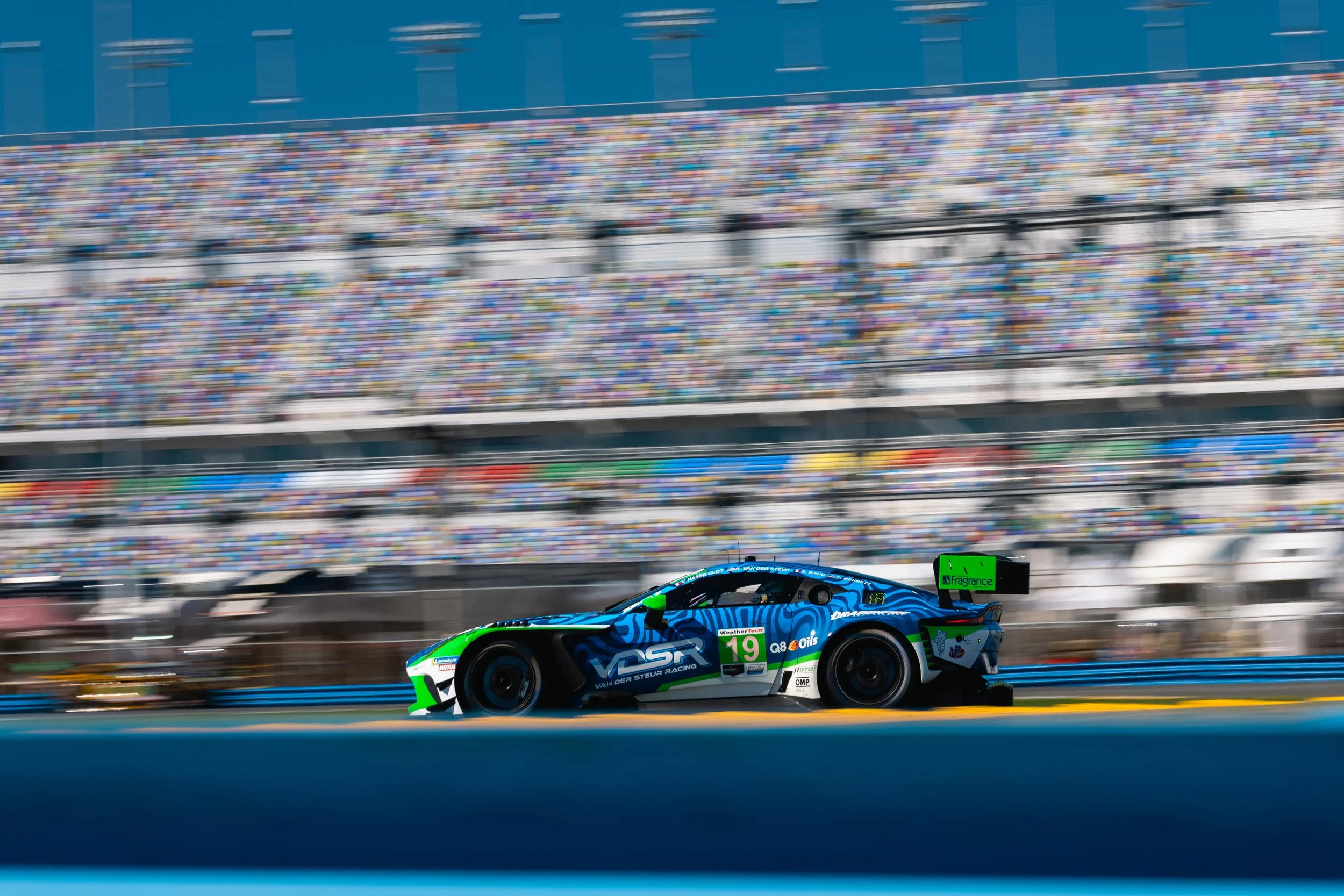
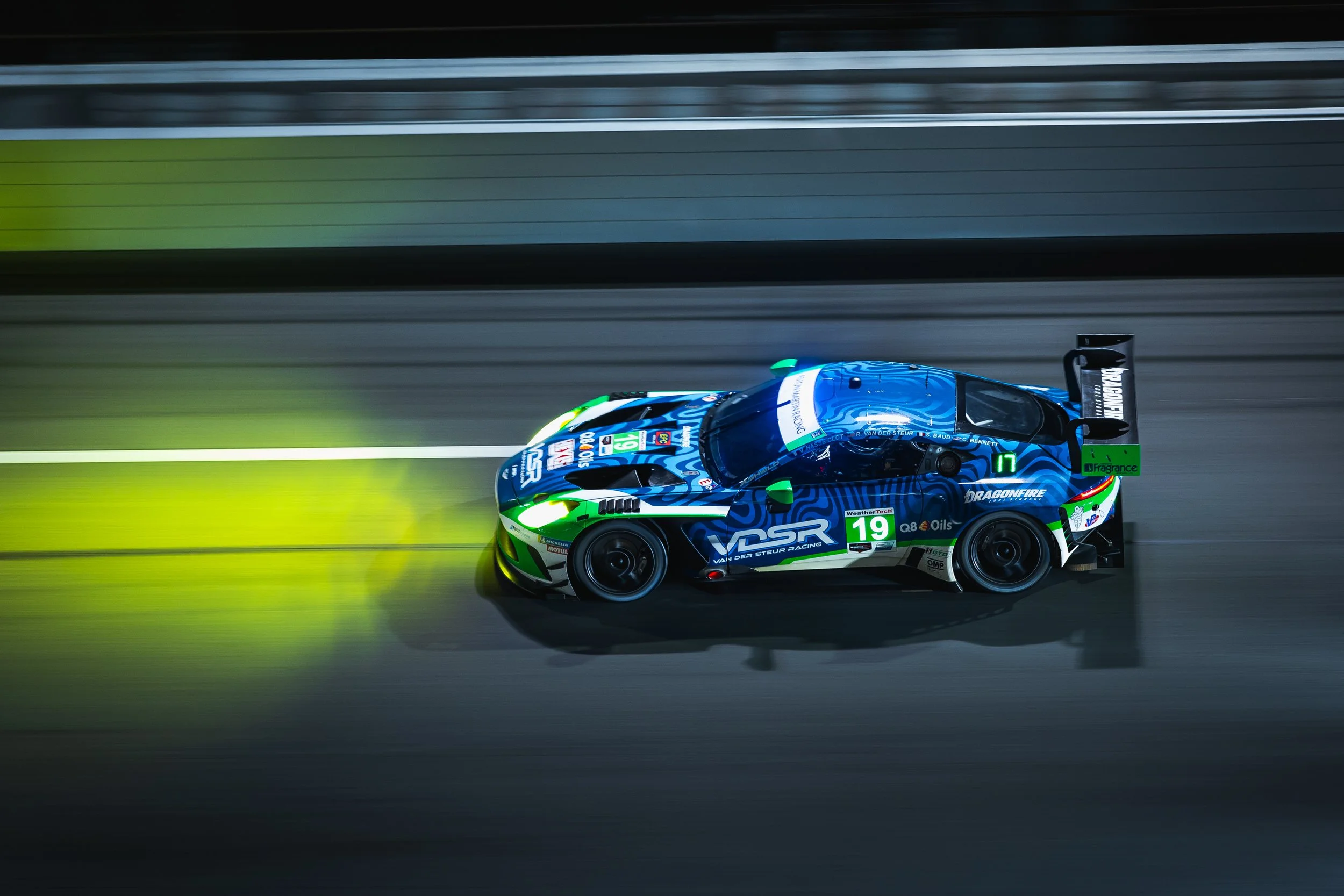
Image: Newspress UK / Aston Martin
Aston Martin THOR Team Targets a Strong Result
The Valkyrie will once again be entered by the Aston Martin THOR Team, the factory-backed outfit responsible for running the hypercar in IMSA competition.
For the Sebring race, the team has assembled a strong driver lineup consisting of:
Roman De Angelis (Canada)
Ross Gunn (United Kingdom)
Alex Riberas (Spain)
De Angelis and Gunn serve as Aston Martin’s full-season IMSA drivers, while Riberas joins them from the brand’s FIA World Endurance Championship program.
The trio previously competed together earlier in the season at the Rolex 24 at Daytona, where they secured a top-10 finish in the GTP class during the opening round of the 2026 championship.
Learning from a Challenging Daytona
While the Daytona race did not deliver the result the team had hoped for, the experience provided valuable insights into the Valkyrie’s performance and setup.
Driver Alex Riberas has indicated that the team has already identified solutions to some of the issues encountered during the season opener. Returning to Sebring also offers an advantage: the team now possesses valuable data from the previous year’s race.
This knowledge could play a key role in refining the car’s setup and strategy for the demanding Florida circuit.
Ross Gunn echoed the team’s optimism, highlighting the intense preparation that has taken place since Daytona. According to Gunn, Sebring remains one of the most challenging endurance races in the world — but also one of the most rewarding for drivers.
Roman De Angelis added that the team is eager to prove that the Daytona result did not reflect the progress made during the off-season development program.
A Program Showing Rapid Progress
The Valkyrie’s debut IMSA season in 2025 delivered several encouraging results.
During its first campaign, the car finished inside the top ten in seven of eight races, demonstrating both reliability and competitive pace against some of the world’s most advanced prototype race cars.
The highlight of the season came at the Motul Petit Le Mans at Road Atlanta, where the Valkyrie achieved an impressive second-place overall finish.
These results underline the rapid progress of the program despite its relative youth compared to long-established competitors.
According to Aston Martin’s endurance racing leadership, the development curve of the Valkyrie has been particularly impressive given the complexity of modern hypercar regulations.
Sebring: One of Endurance Racing’s Ultimate Challenges
Sebring International Raceway is widely regarded as one of the toughest circuits in the world for endurance racing.
Originally built on a former military airfield, the track is famous for its extremely rough surface, dramatic bumps, and relentless demands on both drivers and machinery.
These characteristics make the 12 Hours of Sebring one of the most physically and technically demanding races on the global motorsport calendar.
For the Valkyrie program, the race offers a valuable opportunity to test the car’s durability and performance under extreme conditions.
According to the team, the Valkyrie handled the challenge successfully during its debut appearance in 2025, completing the race without major reliability issues.
Aston Martin’s Broader Racing Effort at Sebring
Alongside the Valkyrie hypercar entry, Aston Martin will also compete in the GTD category with its proven Vantage GT3 race cars.
Two Vantage entries will participate in the race, aiming to build on the strong results achieved earlier in the season at Daytona, where Aston Martin teams finished second and third in class.
The Vantage GT3, based on the road-going Vantage model and powered by a twin-turbocharged 4.0-litre V8 engine, has become one of the most successful GT race cars of recent years.
Its achievements include victory at the 24 Hours of Spa in 2024, one of the world’s most prestigious GT3 endurance races.
Building Toward the Future of Aston Martin Motorsport
The return to Sebring represents more than just another race for Aston Martin.
It also marks the continued evolution of the Valkyrie program as the company strengthens its presence in global endurance racing.
By competing simultaneously in both IMSA and the FIA World Endurance Championship, Aston Martin is positioning the Valkyrie as one of the most visible and technically fascinating hypercars in modern motorsport.
For fans and enthusiasts, the upcoming race will provide another opportunity to witness the extraordinary machine in action — a hypercar that bridges the worlds of road-going performance and elite endurance racing.
Affiliate Disclosure
Experience the Ultimate 24 Hours of Le Mans 2026
Disclosure: Some of the links on this website are affiliate links. This means that if you click on one of these links and make a purchase, we may earn a small commission at no extra cost to you.
We only recommend products and services that we trust or that are directly relevant to our content. Affiliate earnings help us keep this platform independent and of high quality.