Rimac Reveals How the Nevera R Helped Achieve a Historic Aircraft Landing on a Moving Train
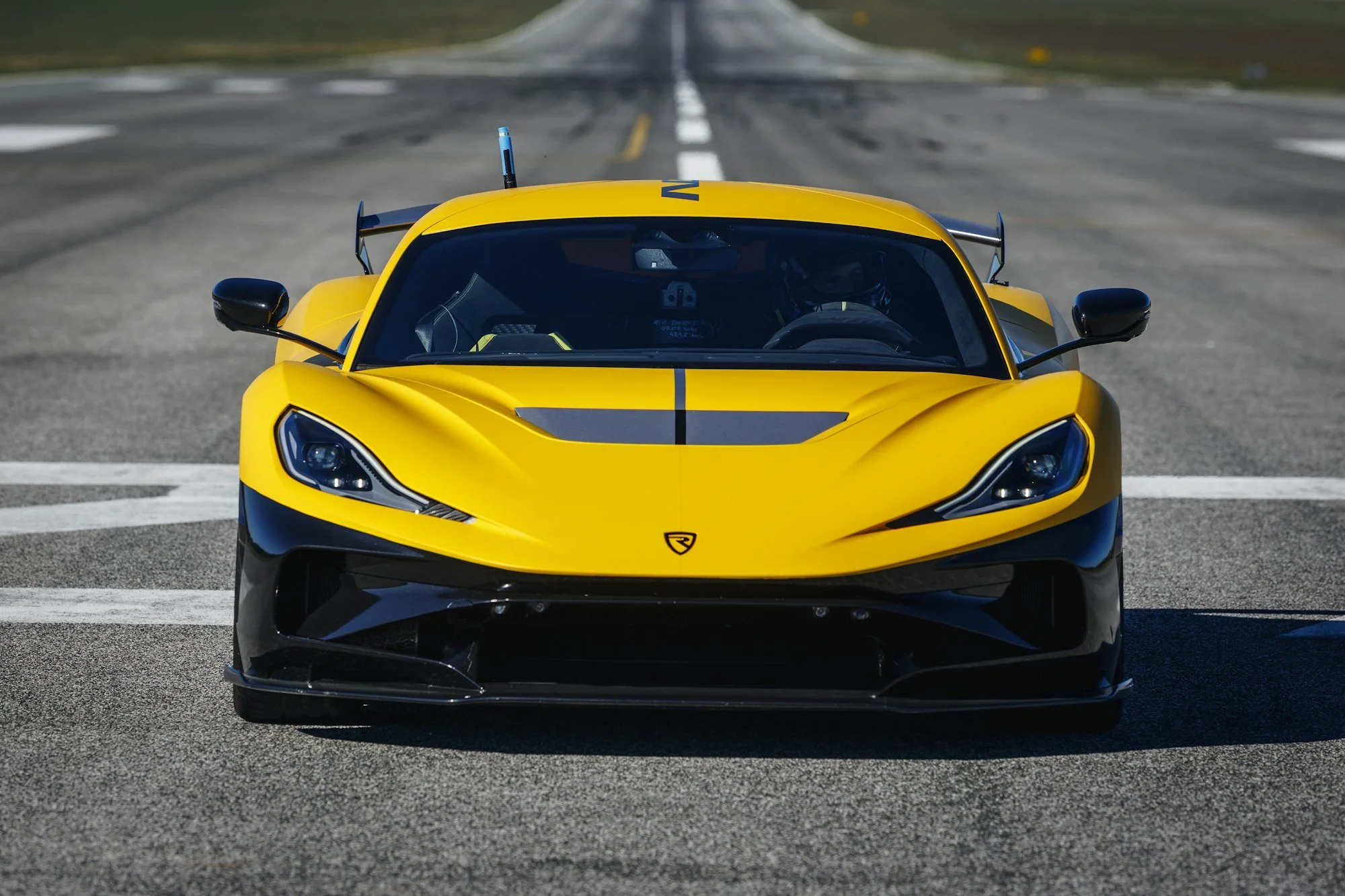
Source: Rimac Automobili Press Release
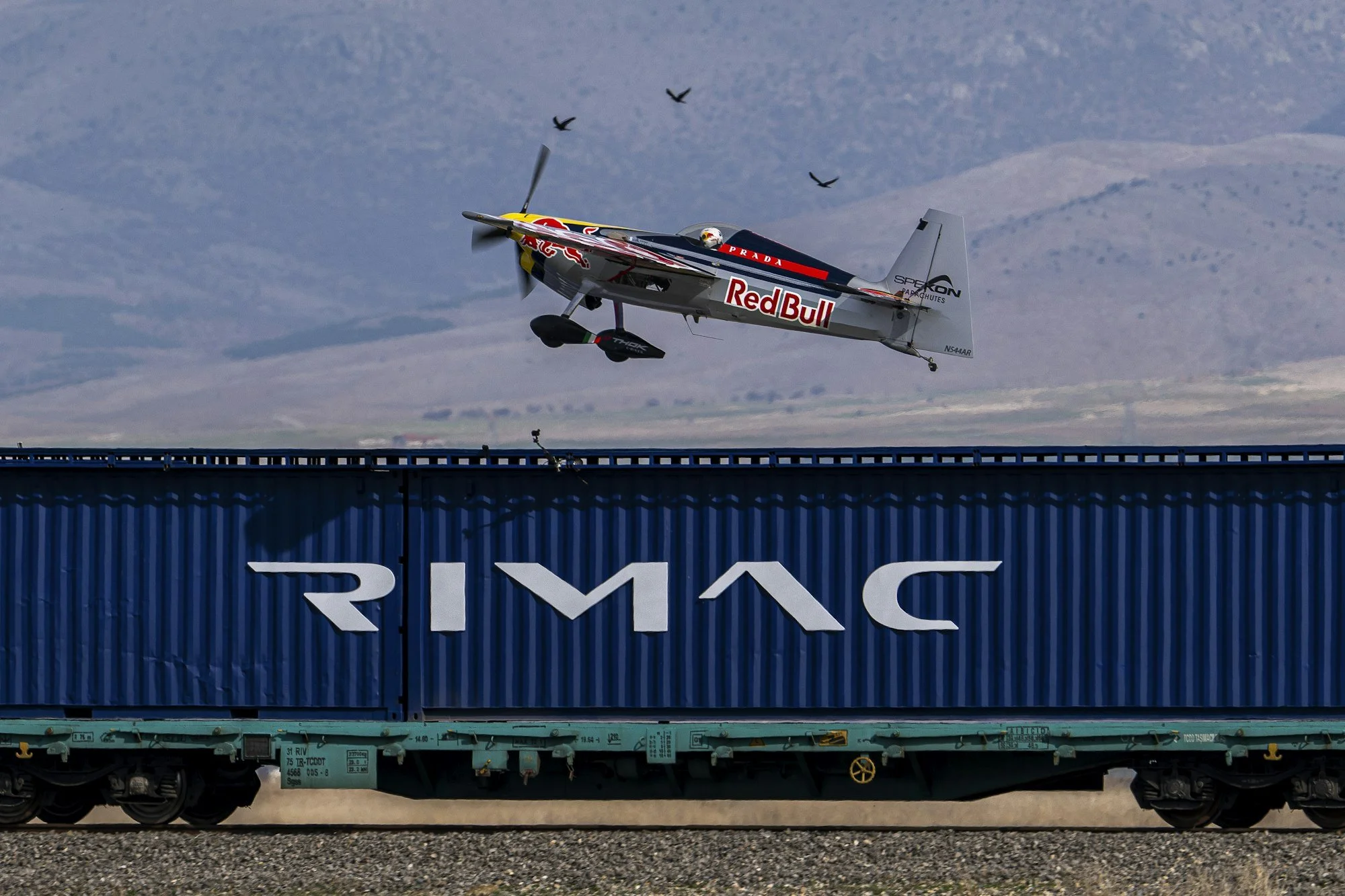
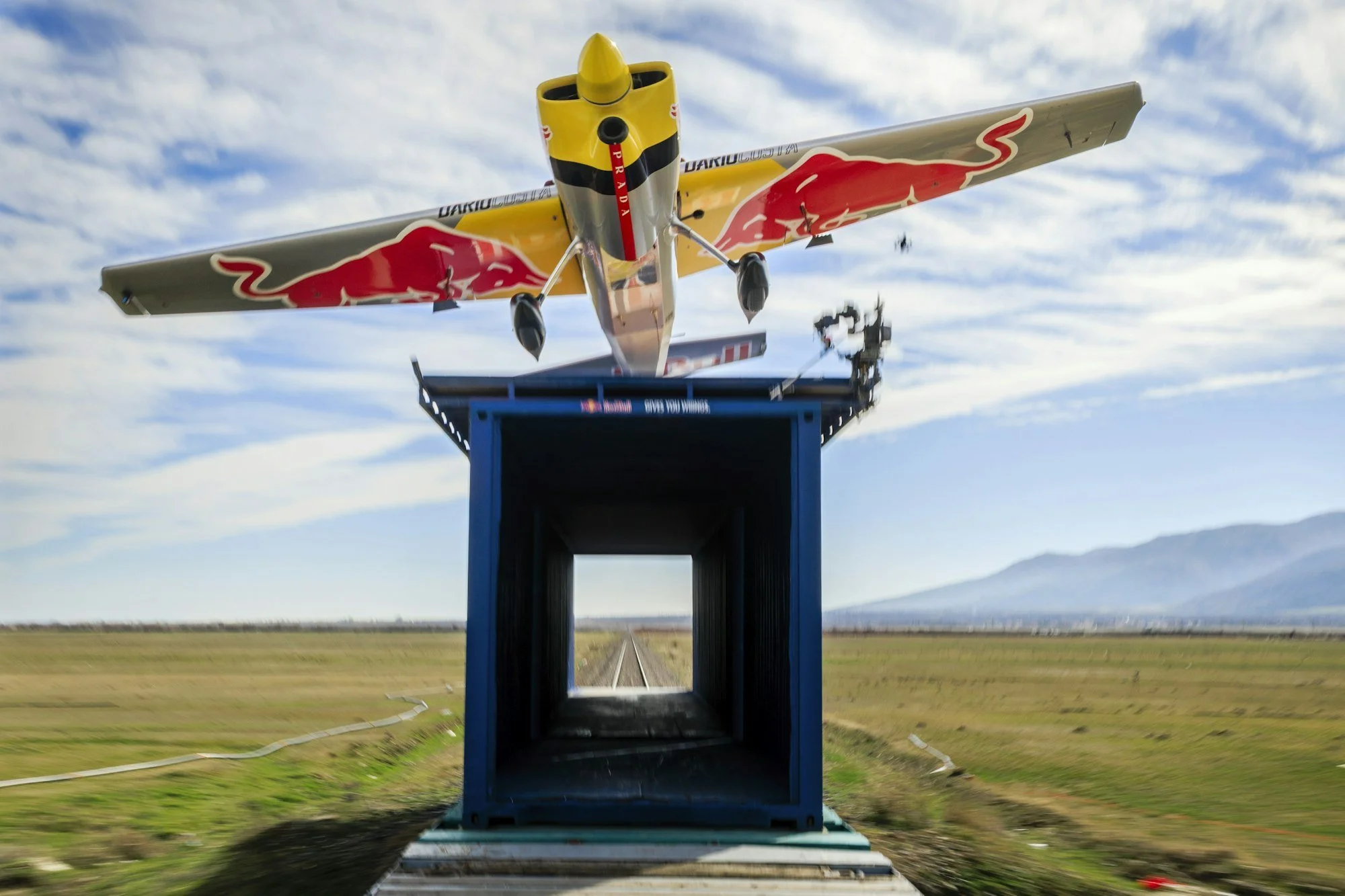
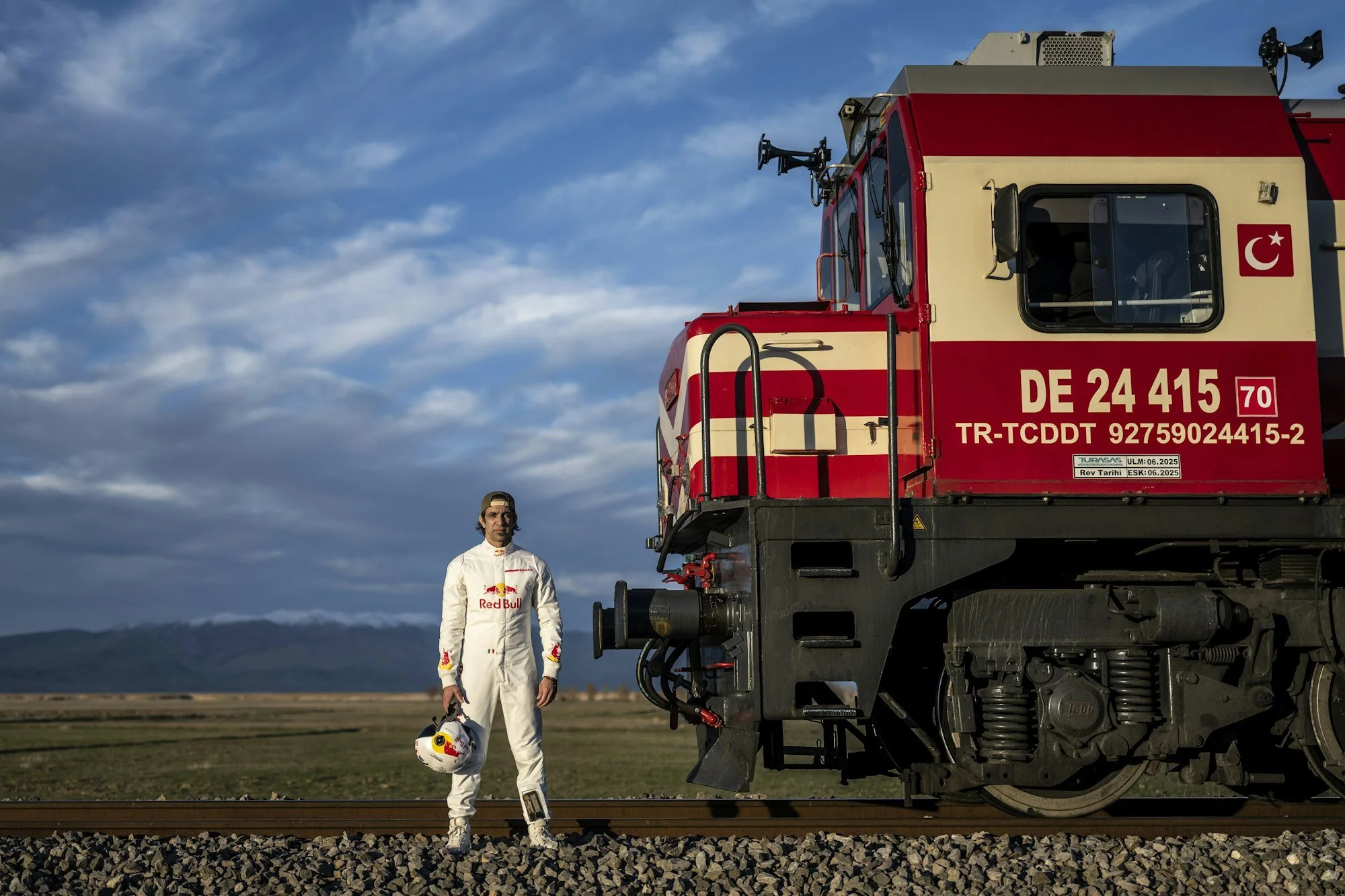
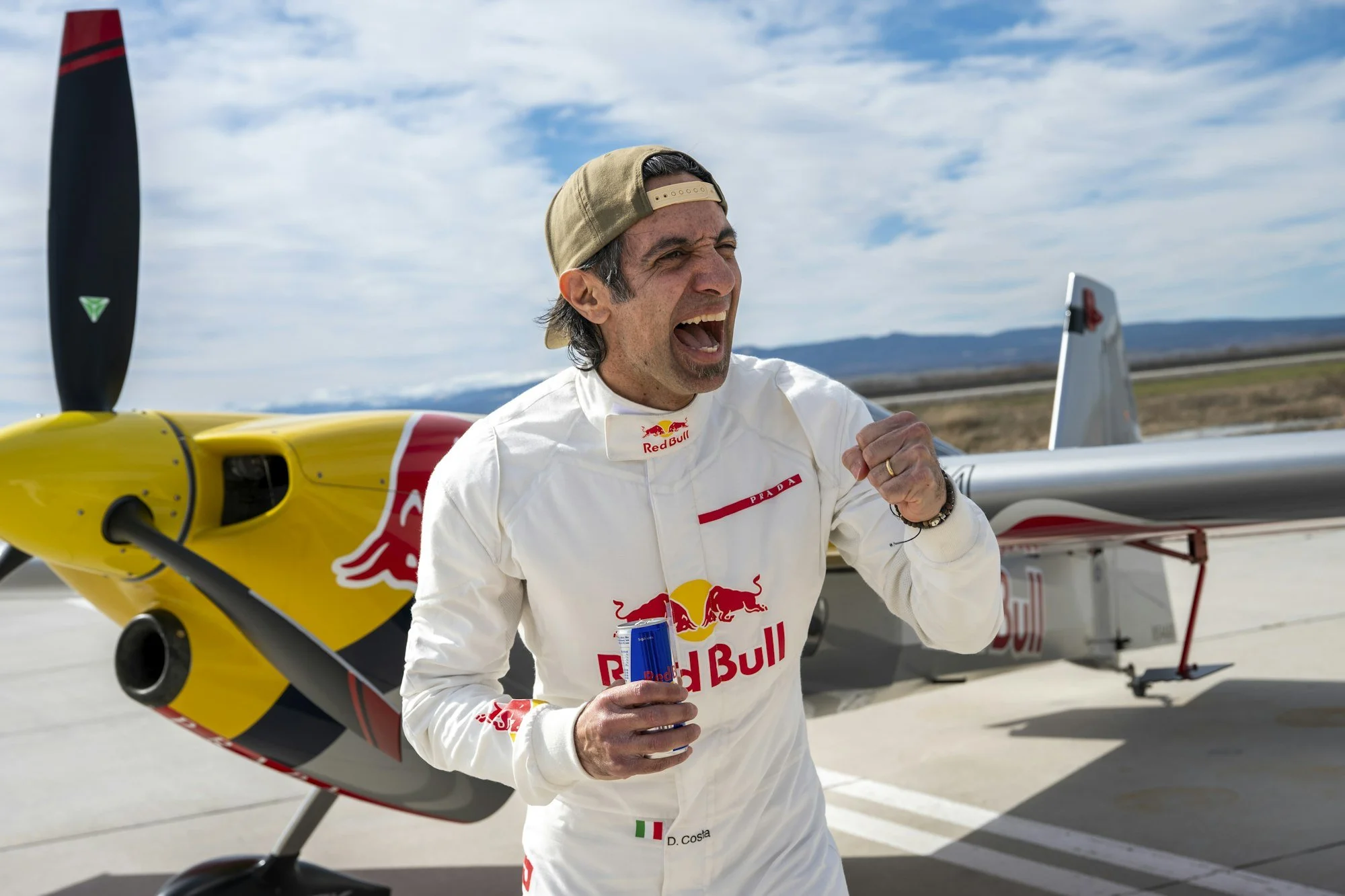
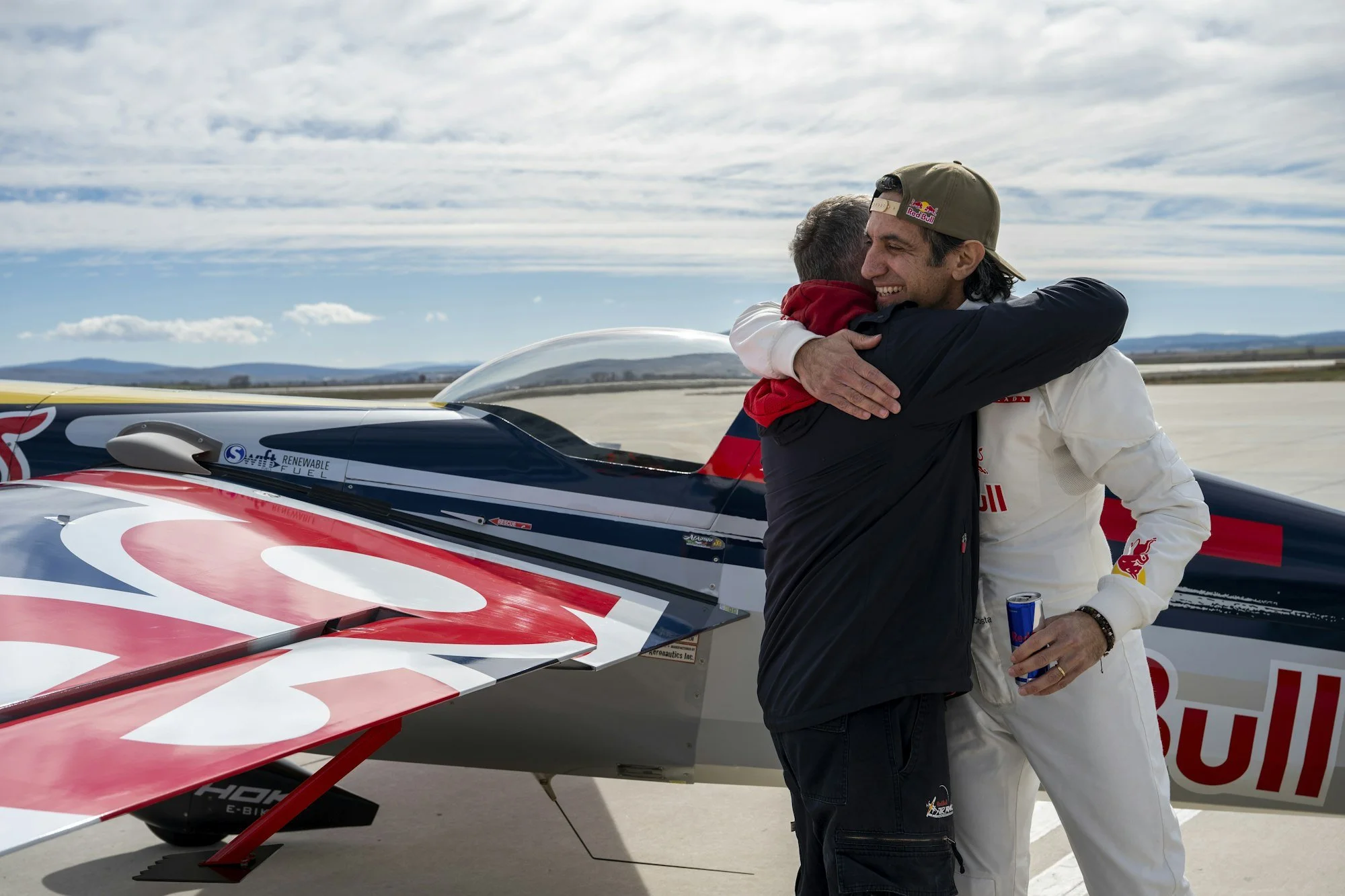
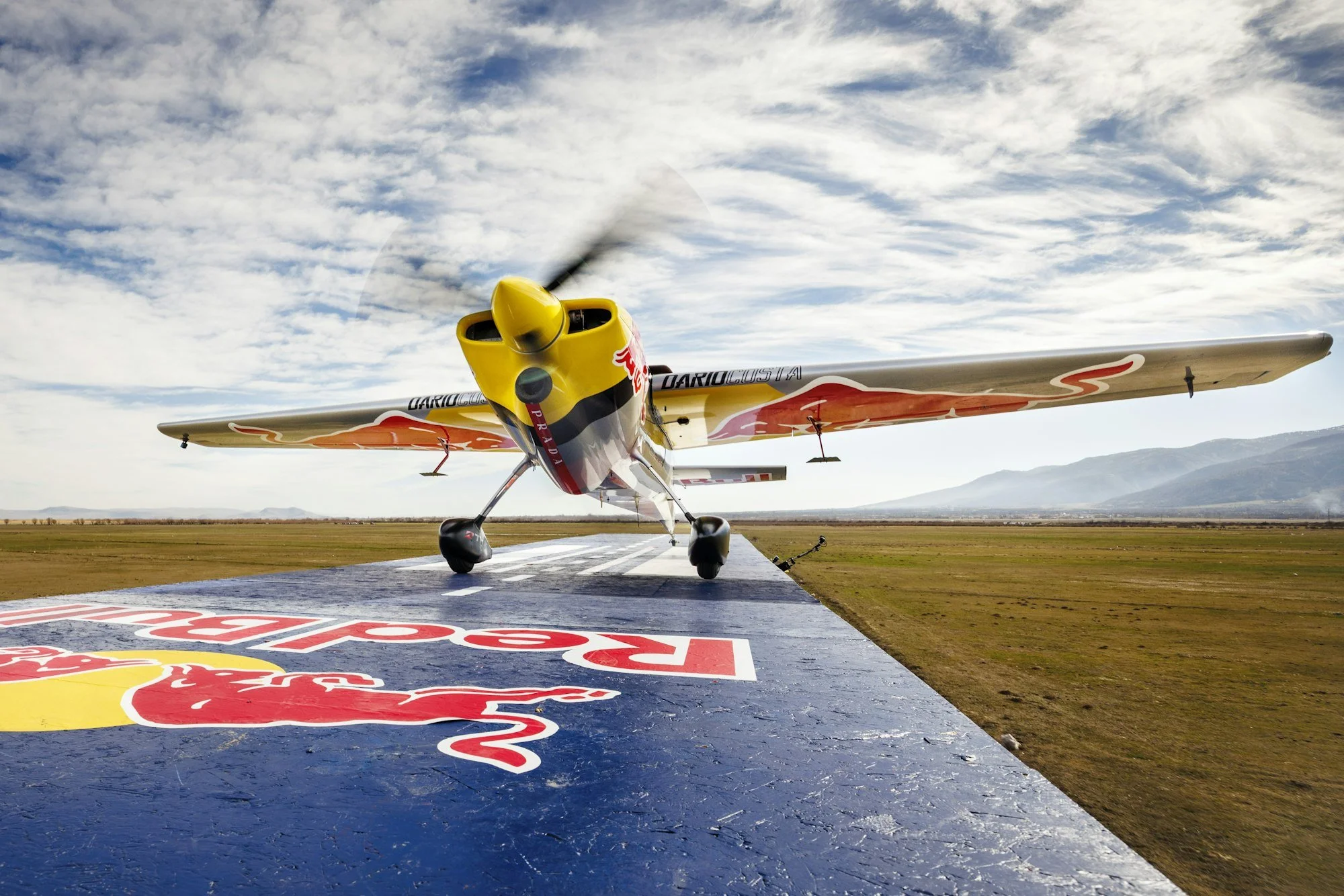
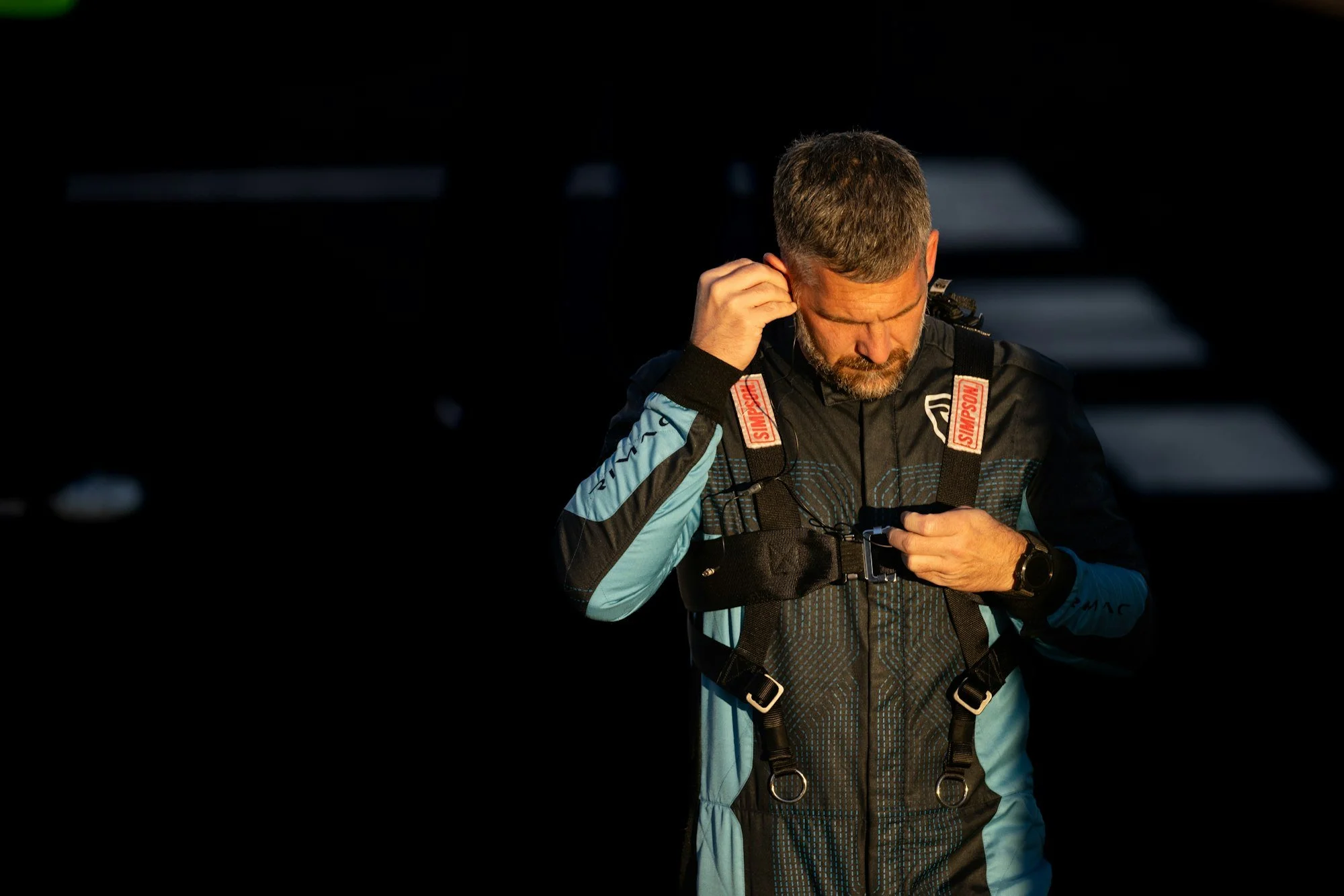
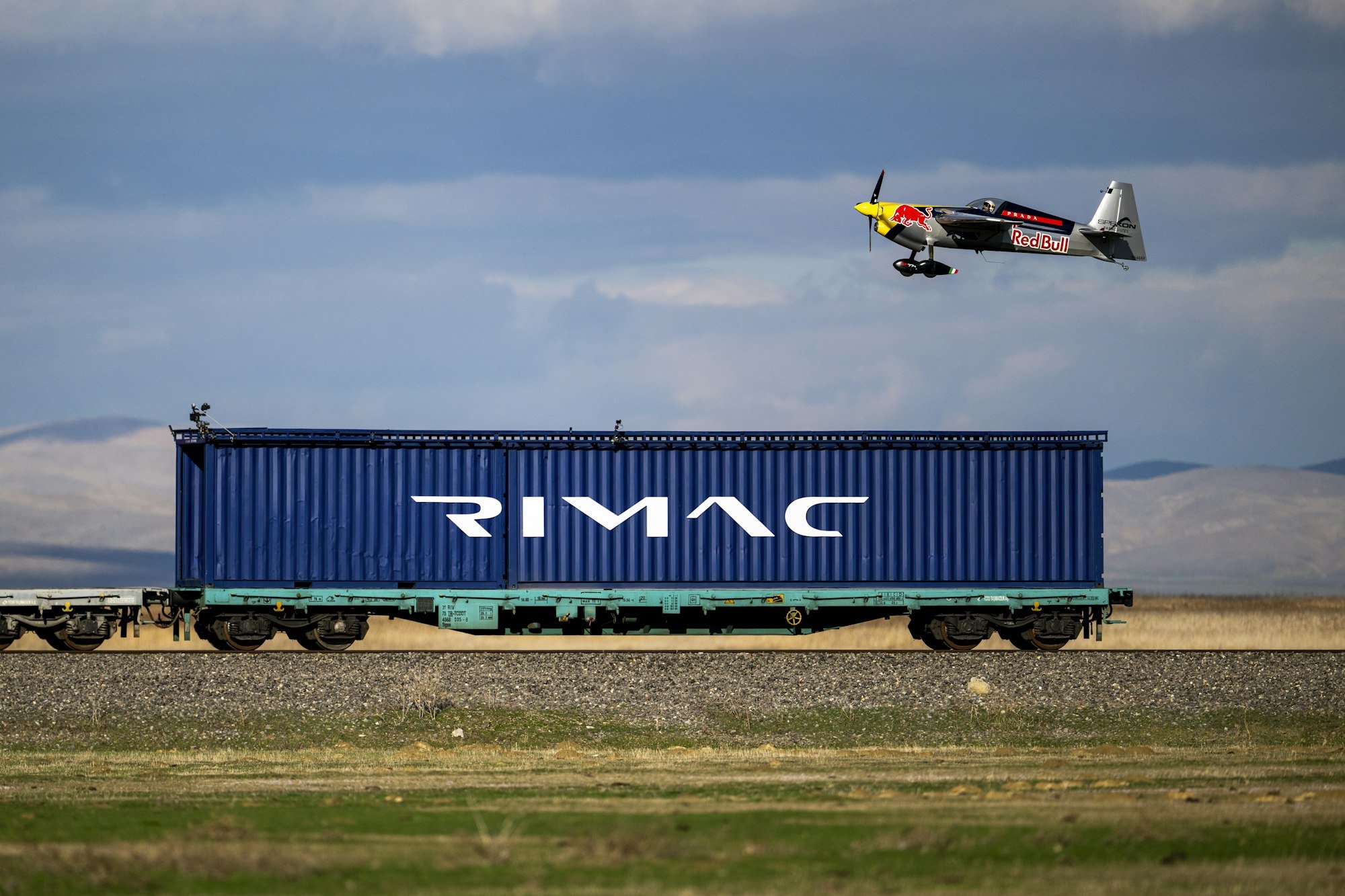
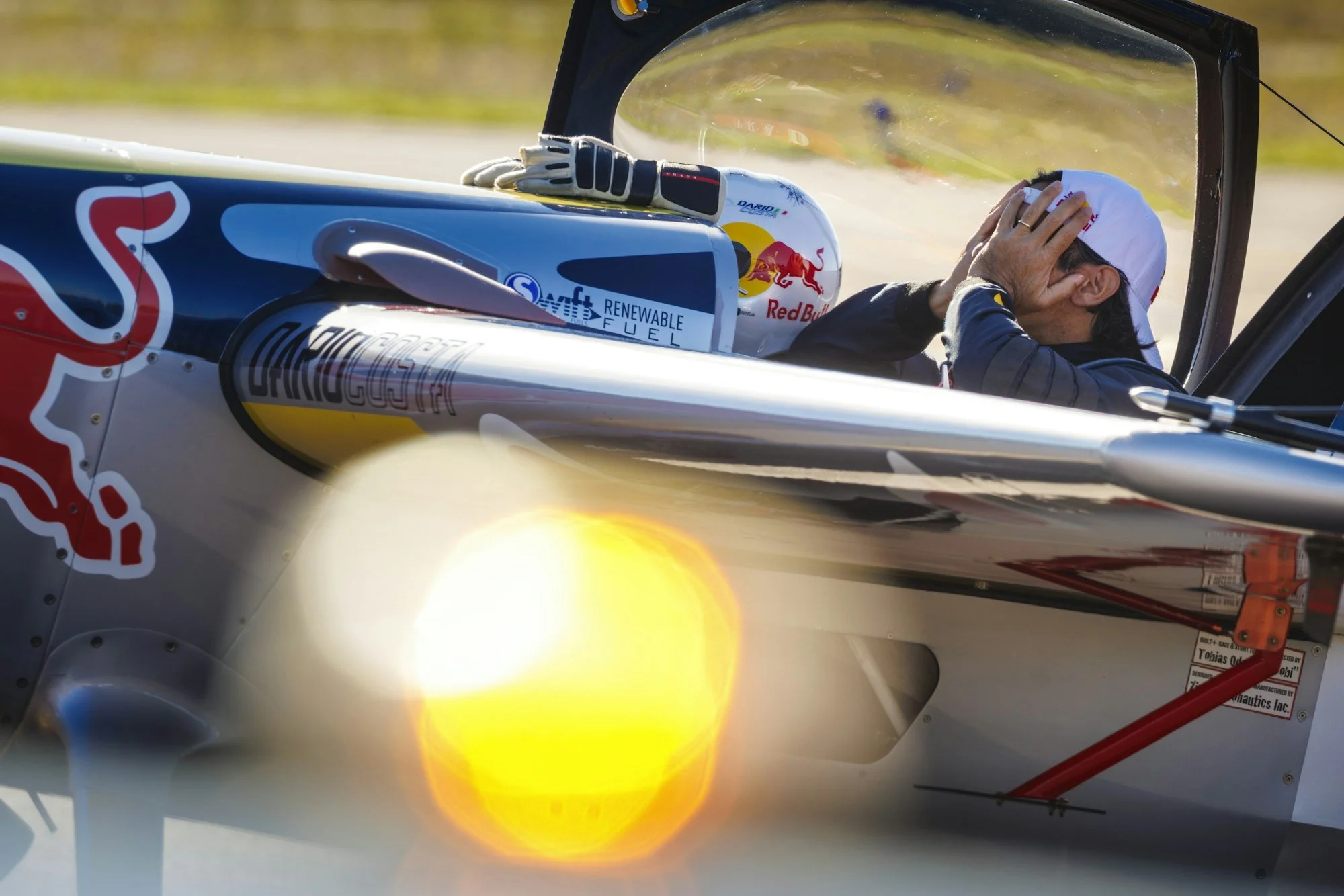
Rimac Automobili has released an extended film offering a behind-the-scenes look at one of the most extraordinary engineering collaborations in recent years. The project documents how the Nevera R hypercar played a crucial role in helping Red Bull Air Race pilot Dario Costa achieve a world-first aircraft landing on a moving train.
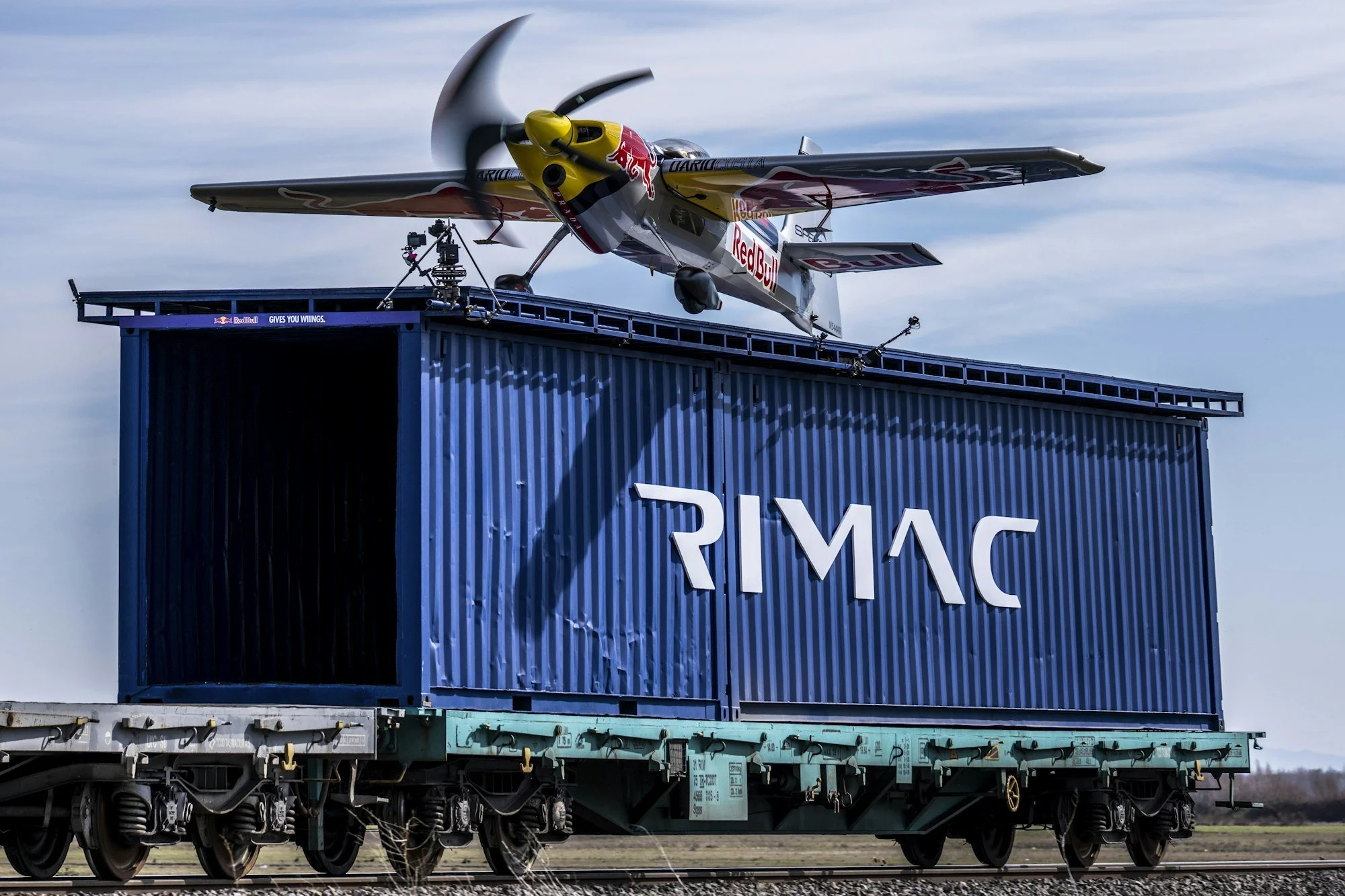
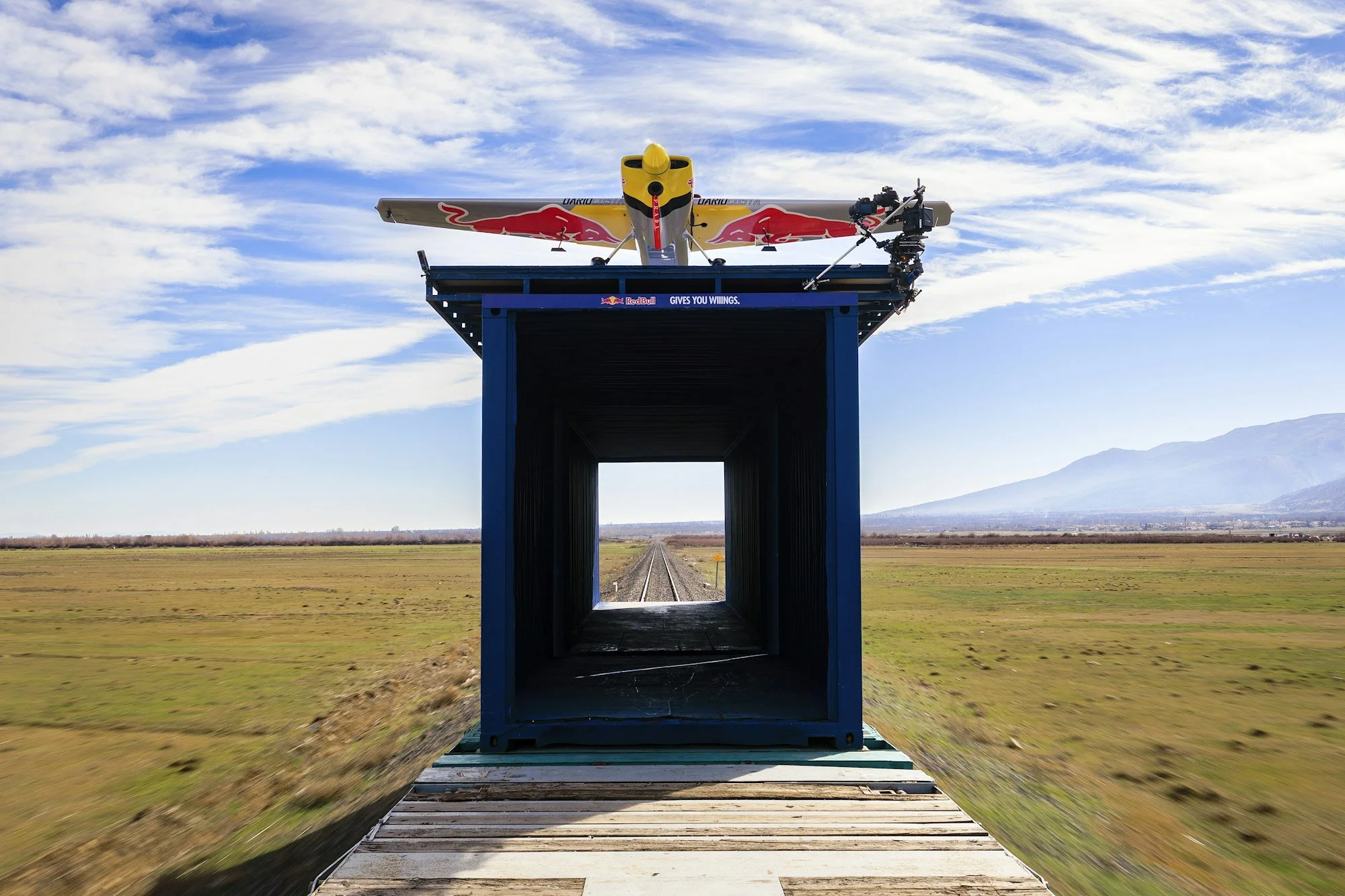
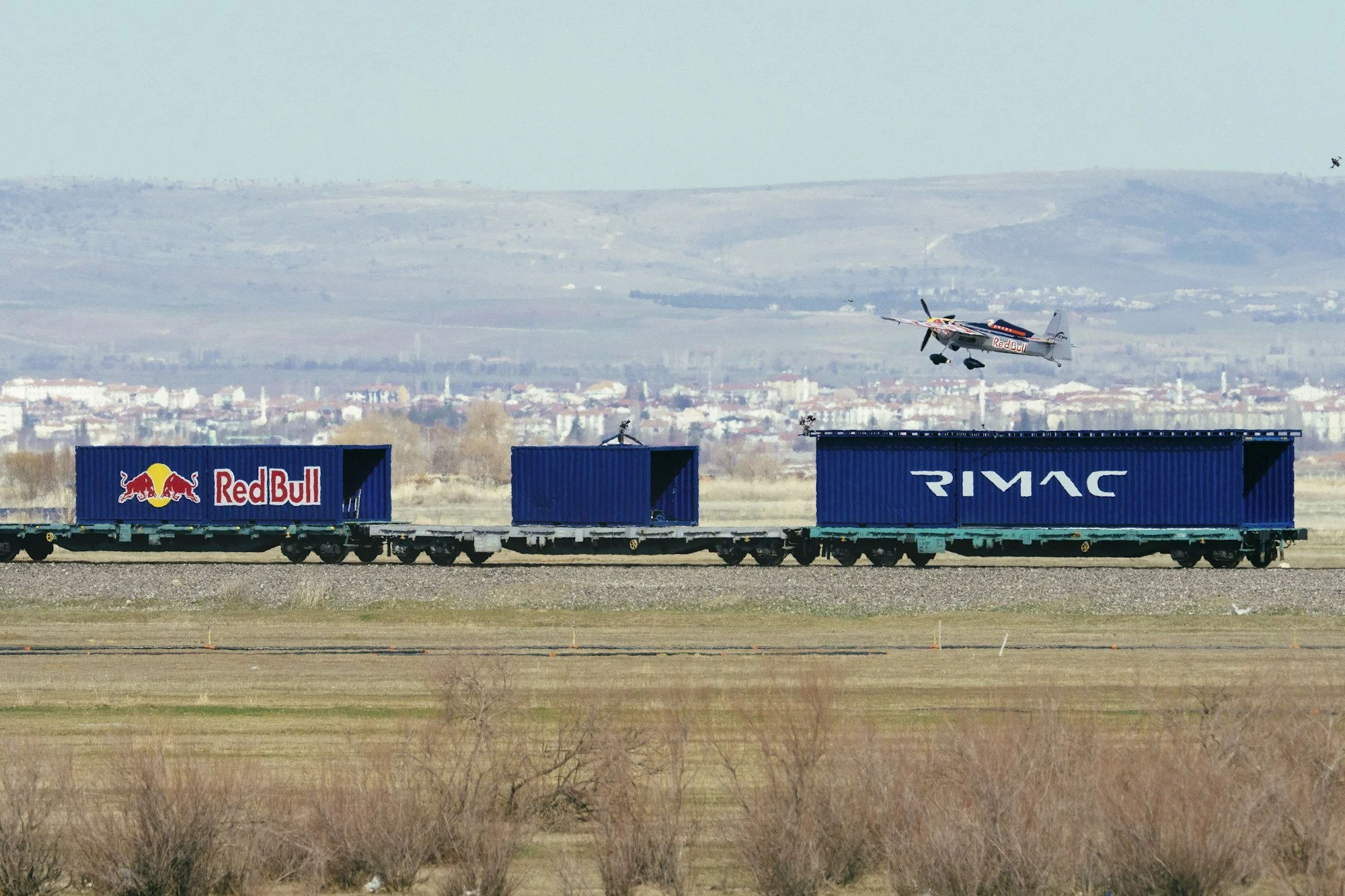
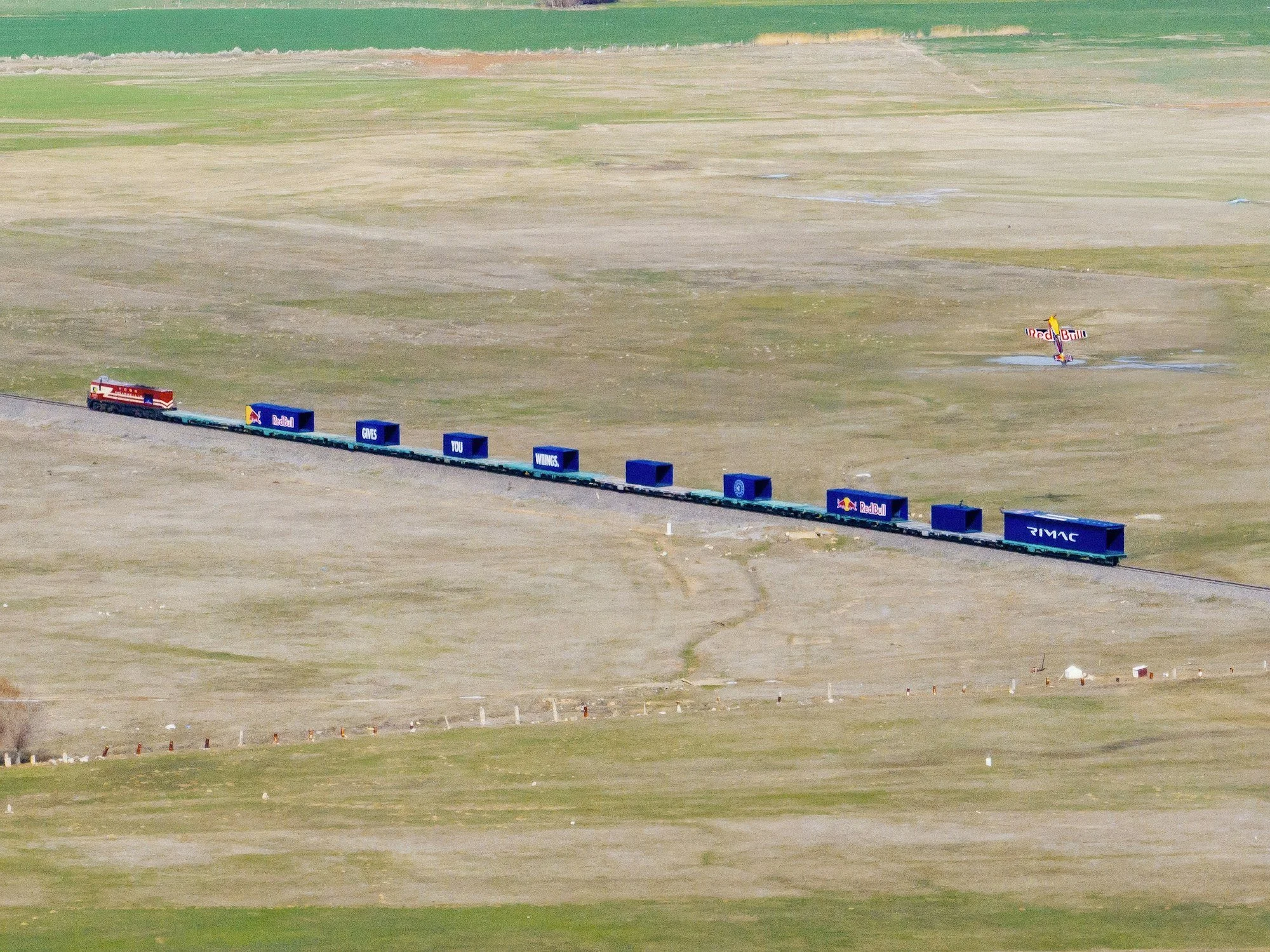
The record-breaking feat took place on 15 February 2026 in Türkiye, where Costa successfully landed a Zivko Edge 540 aircraft on a cargo train traveling at approximately 120 km/h, before taking off again.
A Record That Required Extreme Precision
While the final stunt lasted only seconds, the preparation required months of detailed engineering, testing, and coordination.
Landing an aircraft on a moving target presents a unique challenge. In the final phase of approach, the pilot loses direct visual reference due to the aircraft’s nose position. This means that precise alignment and consistency are critical.
Even the smallest deviation in lateral positioning can result in failure.
To overcome this, Costa and the Rimac engineering team developed a highly controlled training environment that relied heavily on the capabilities of the Nevera R.
The Nevera R as a Moving Reference Platform
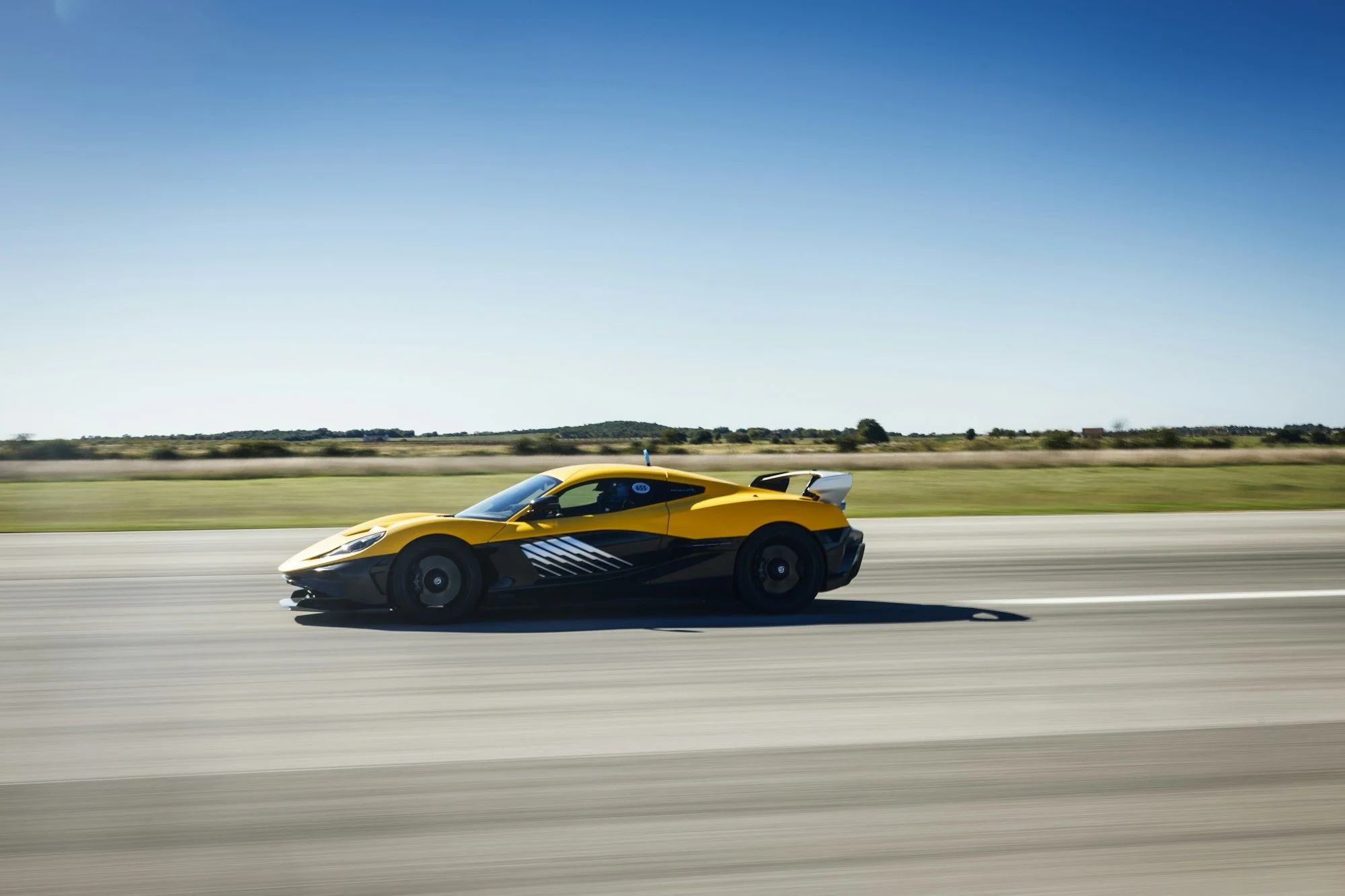
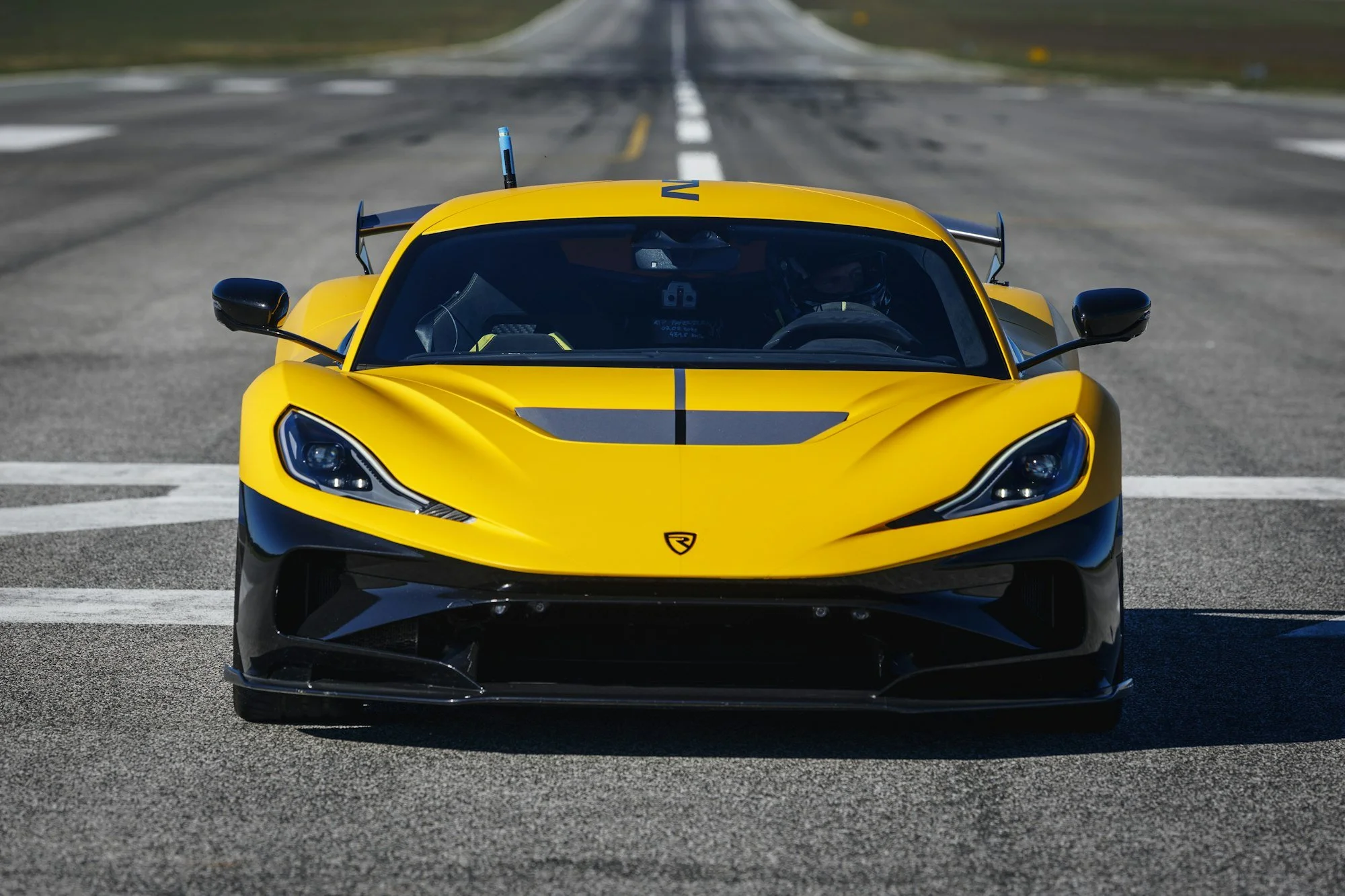
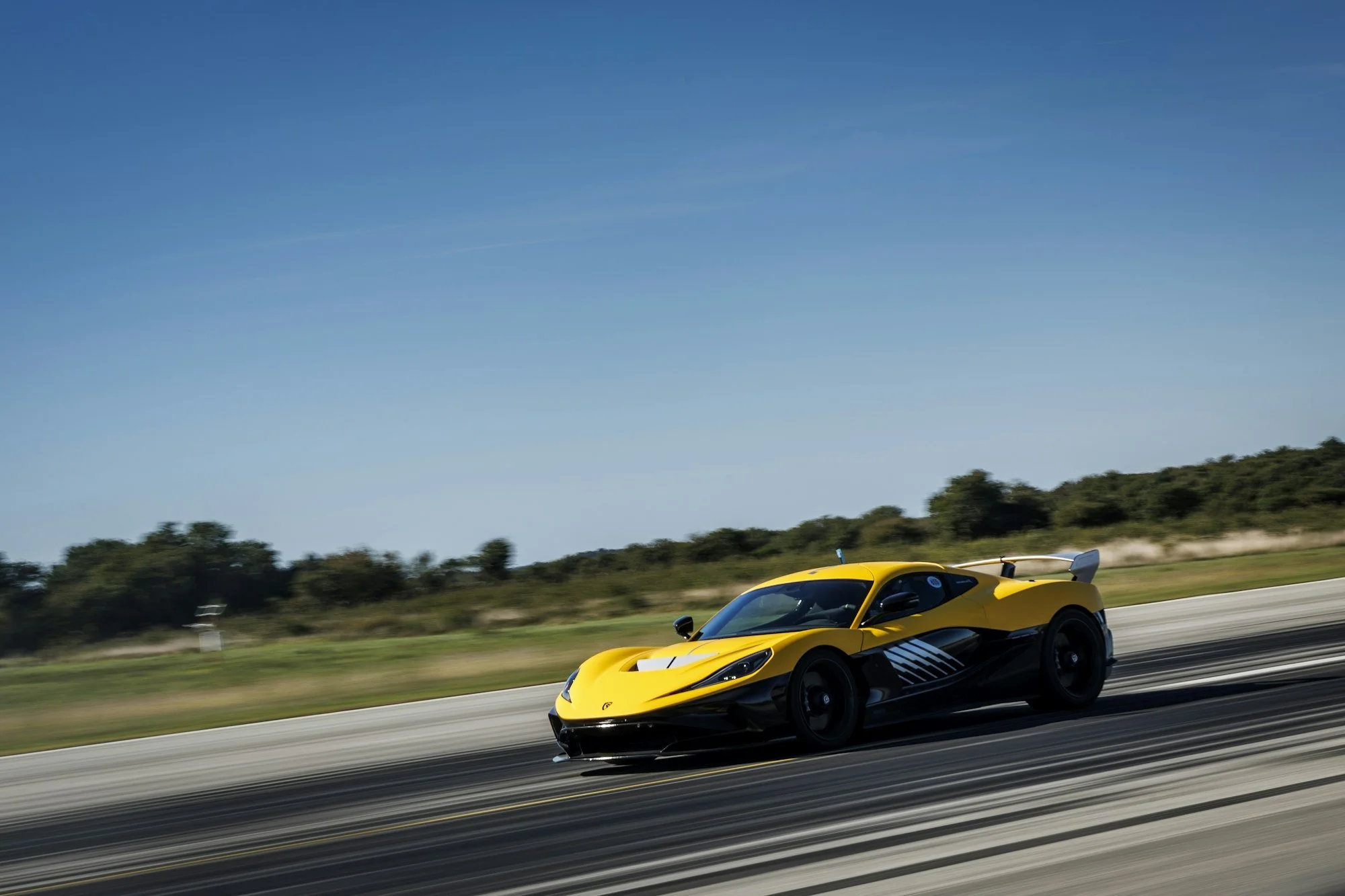
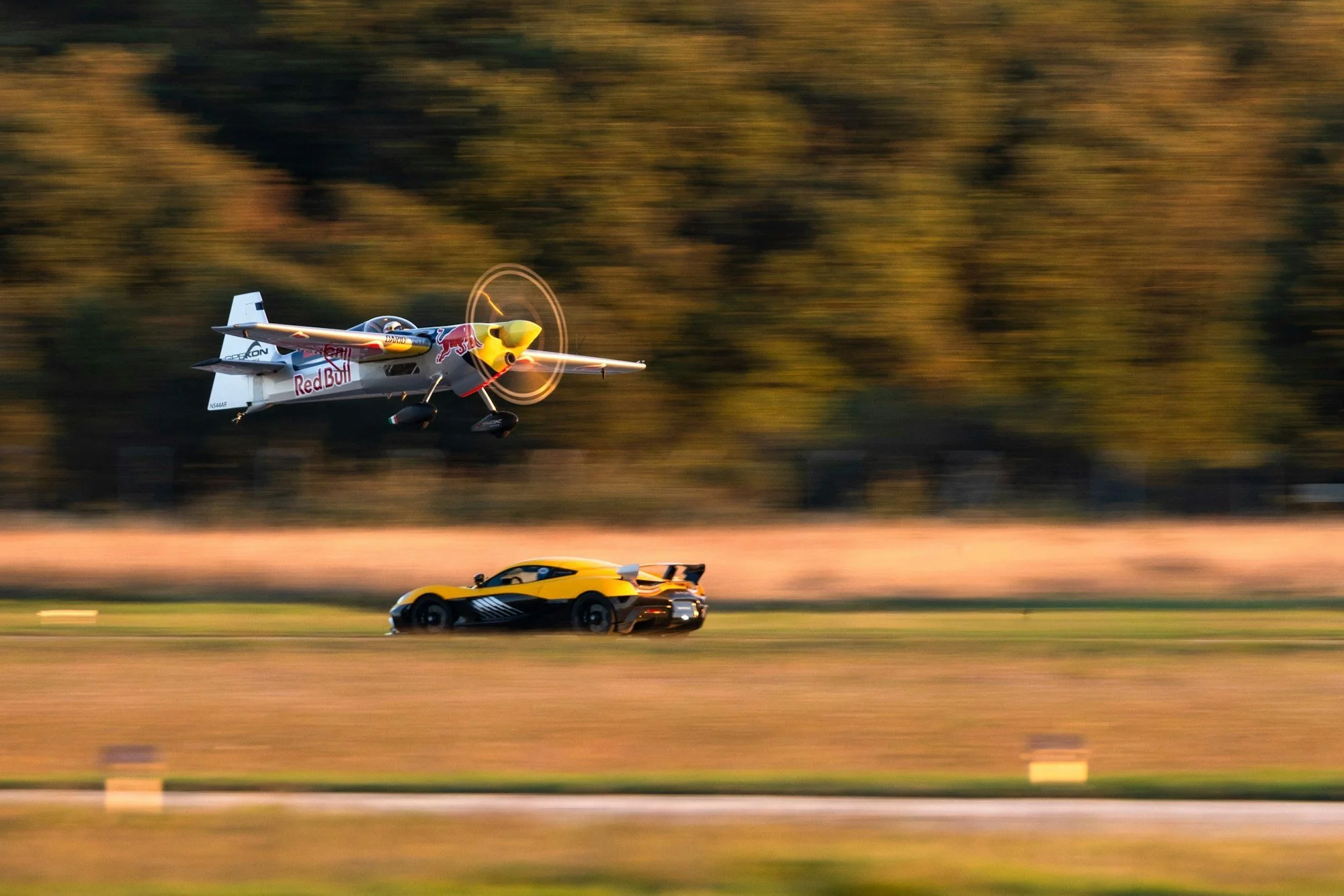
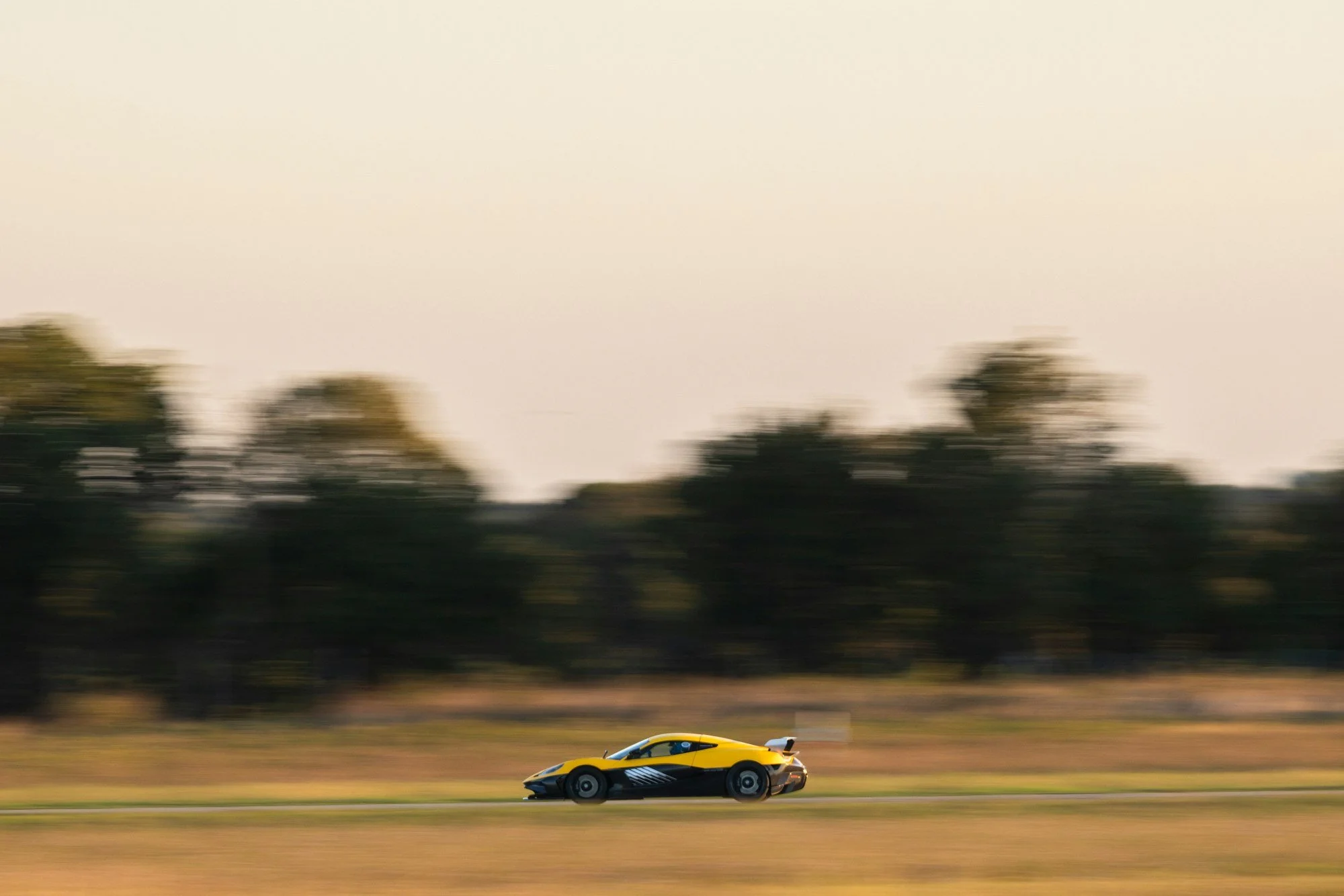
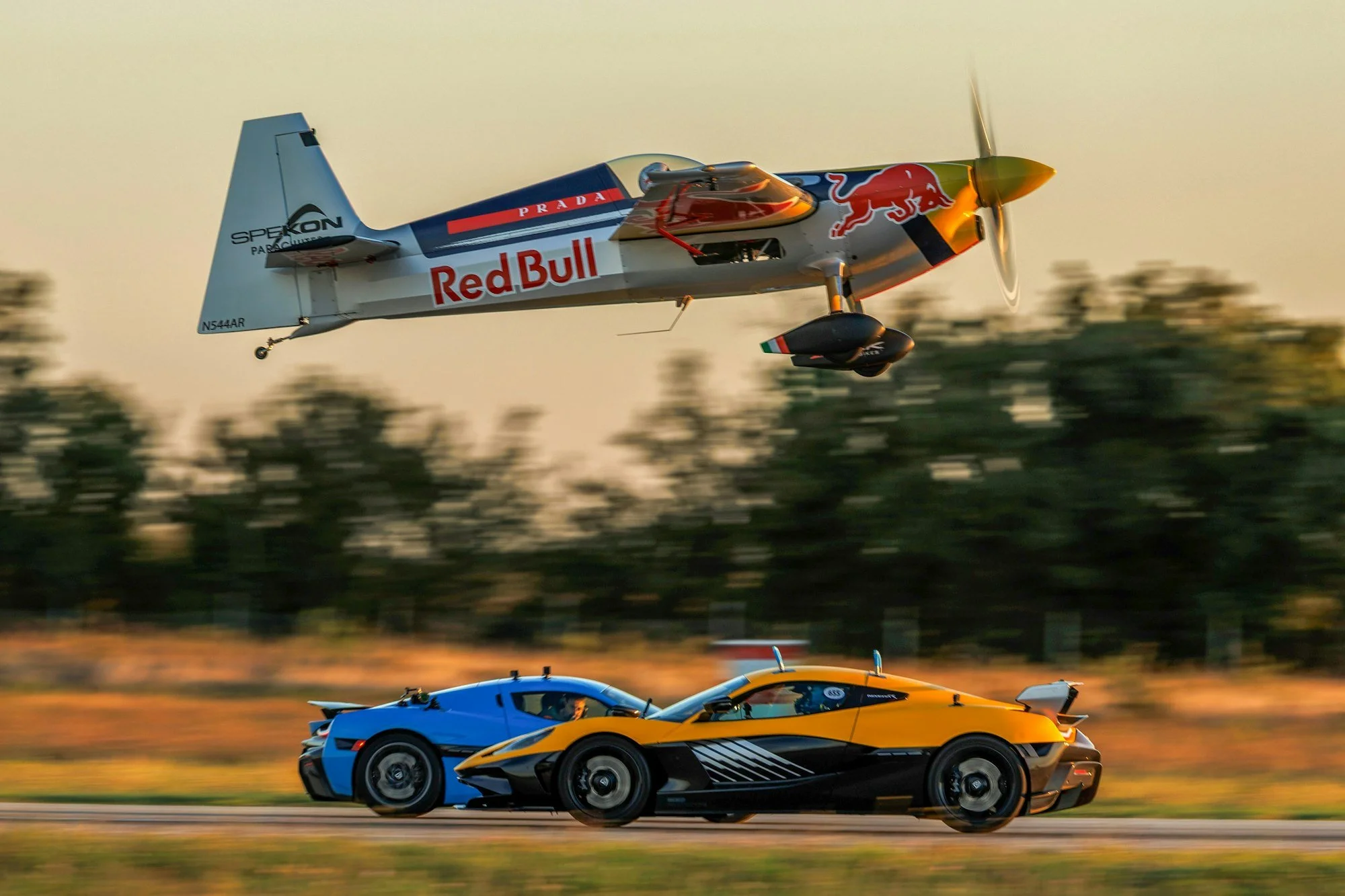
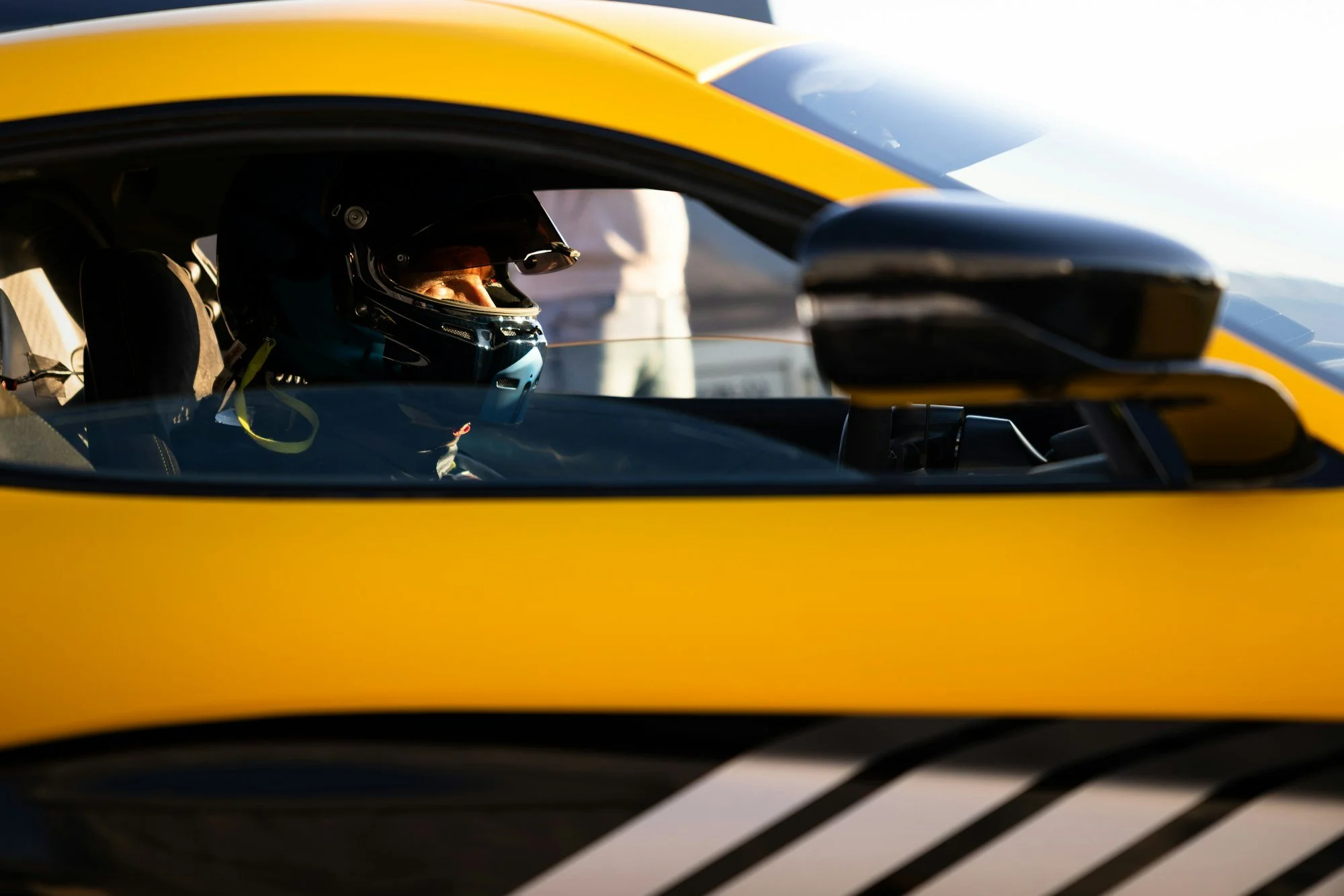
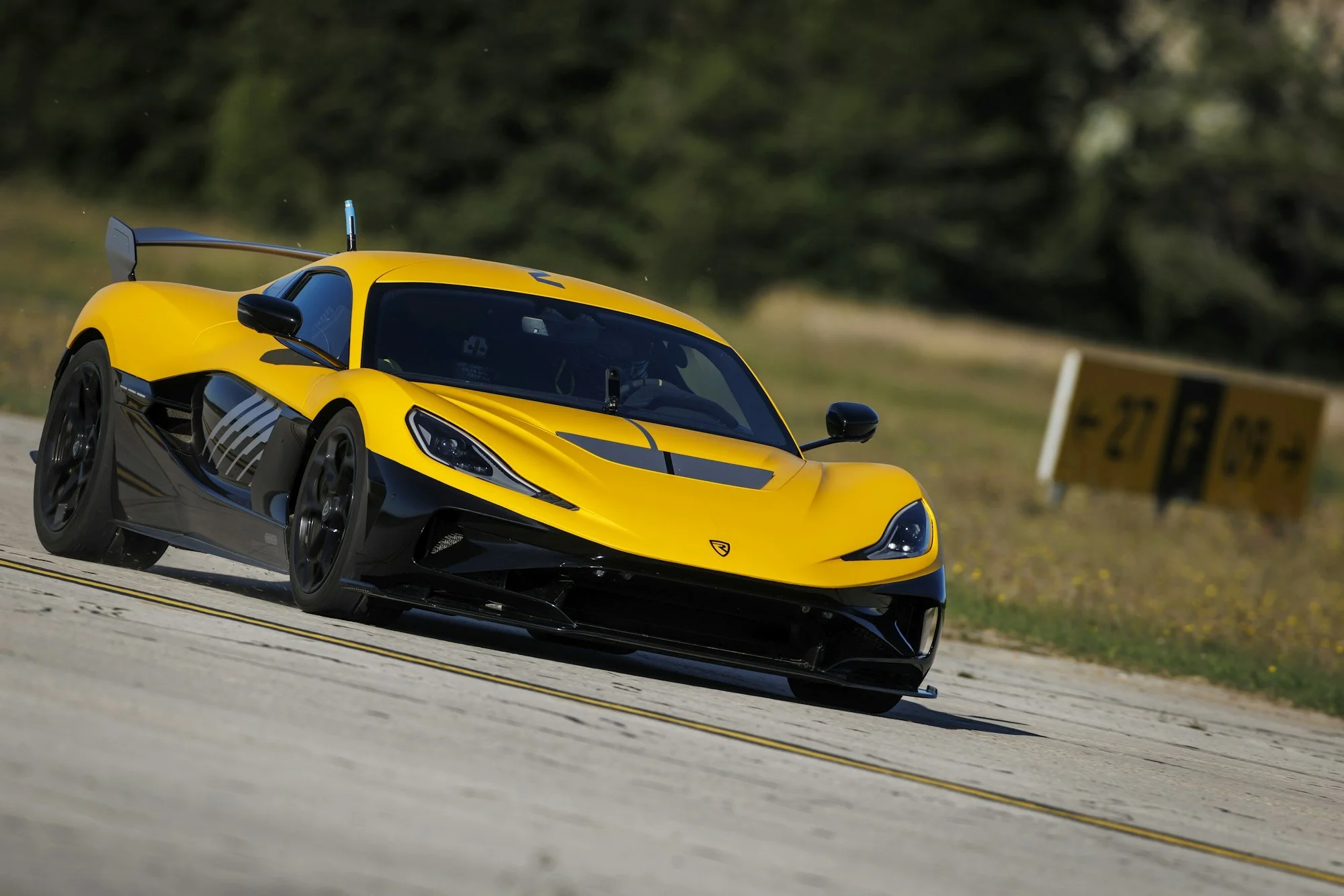
One of the most innovative aspects of the project was the use of the Nevera R as a high-speed moving reference vehicle.
During training sessions, the hypercar was driven in reverse at speeds matching those required for the aircraft’s landing approach. This allowed Costa to practice maintaining alignment with a moving object under realistic conditions.
Driving at such speeds in reverse is an extraordinary challenge in itself. It requires absolute precision, as even minimal steering input can disrupt airflow patterns and create unpredictable aerodynamic effects for the approaching aircraft.
The Nevera R was uniquely suited for this task.
The hypercar holds the world record for the fastest speed achieved in reverse by a production car, reaching 275 km/h. While the training sessions operated at lower speeds, this capability ensured exceptional stability and control.
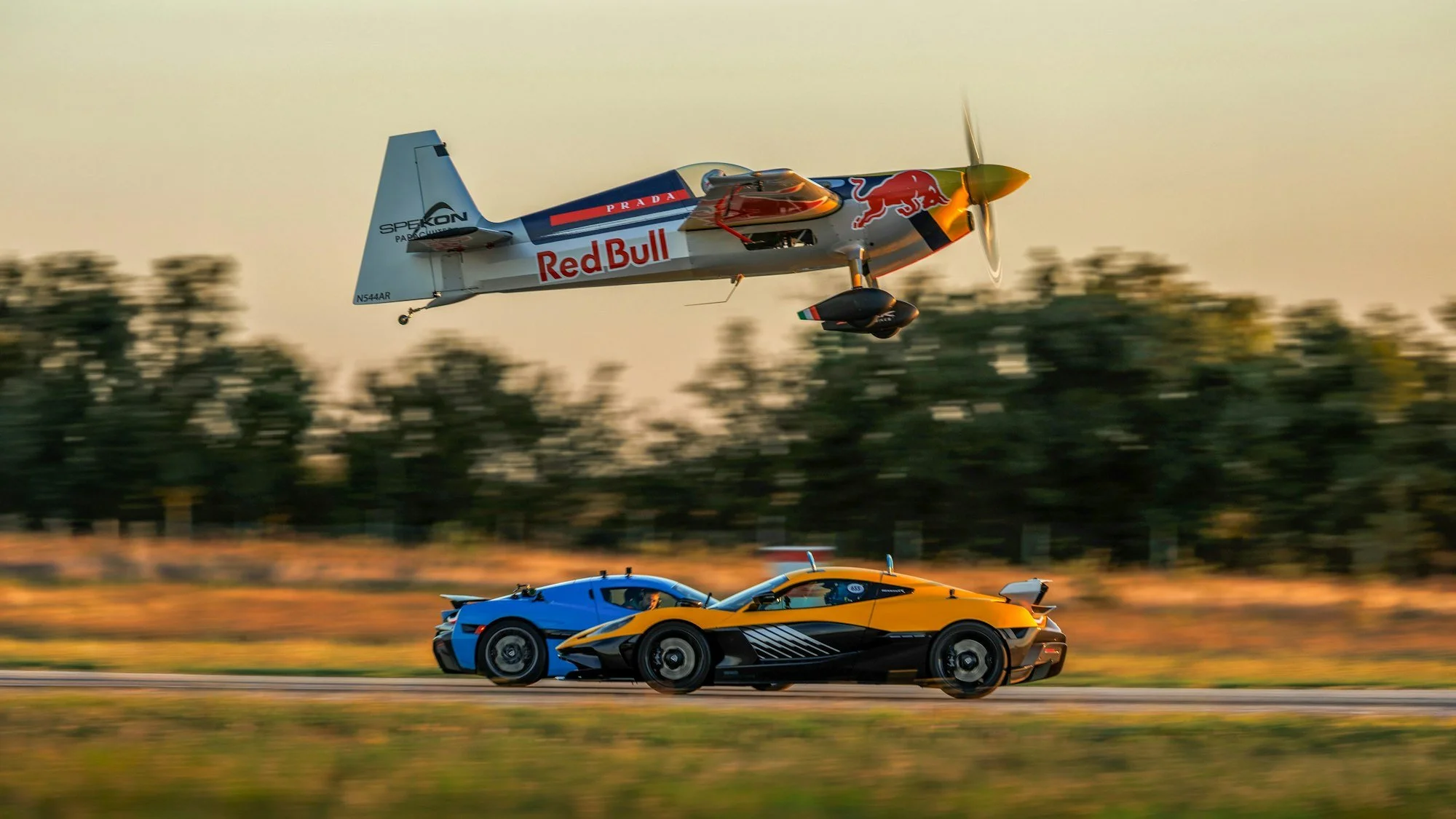
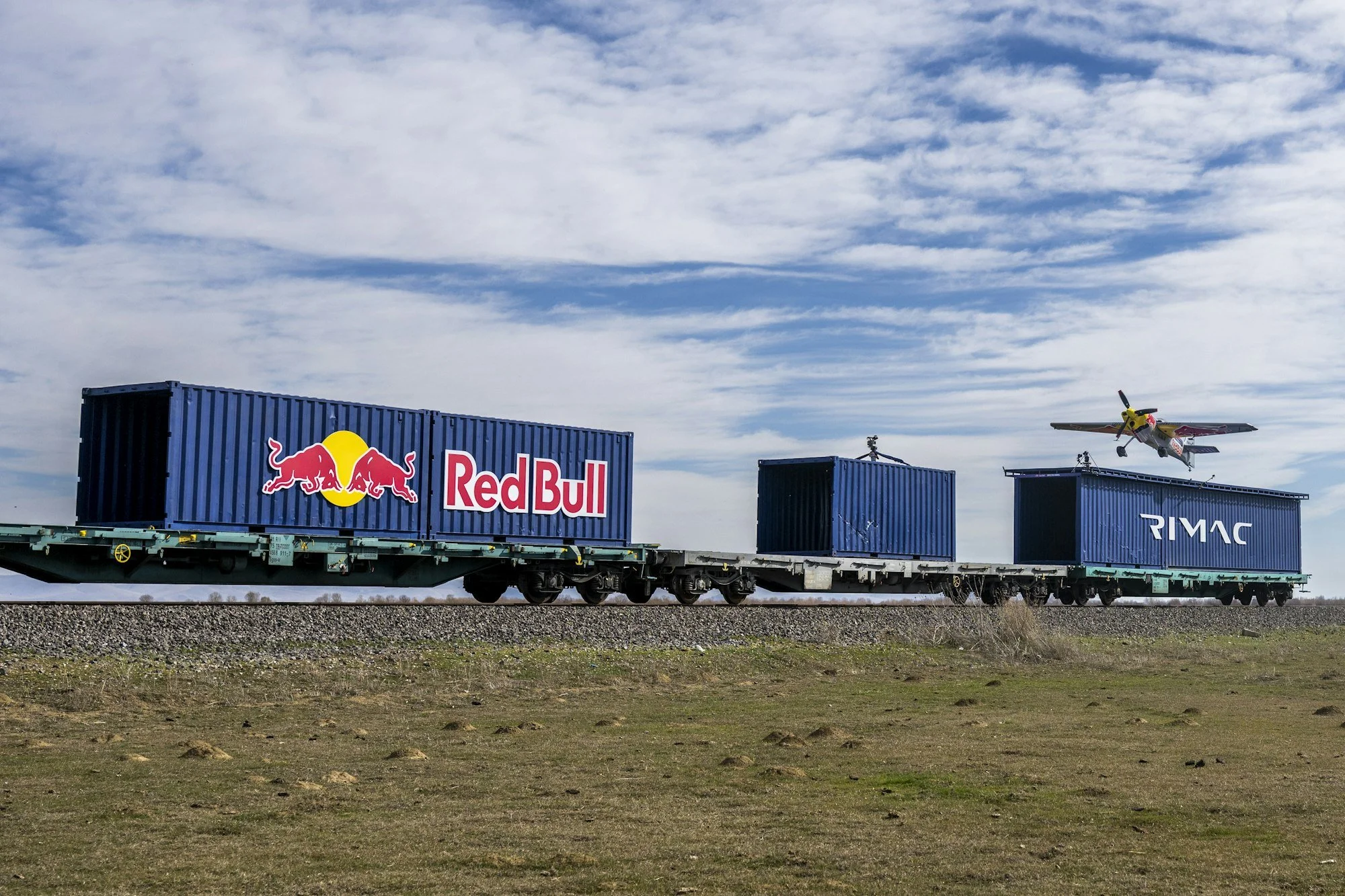
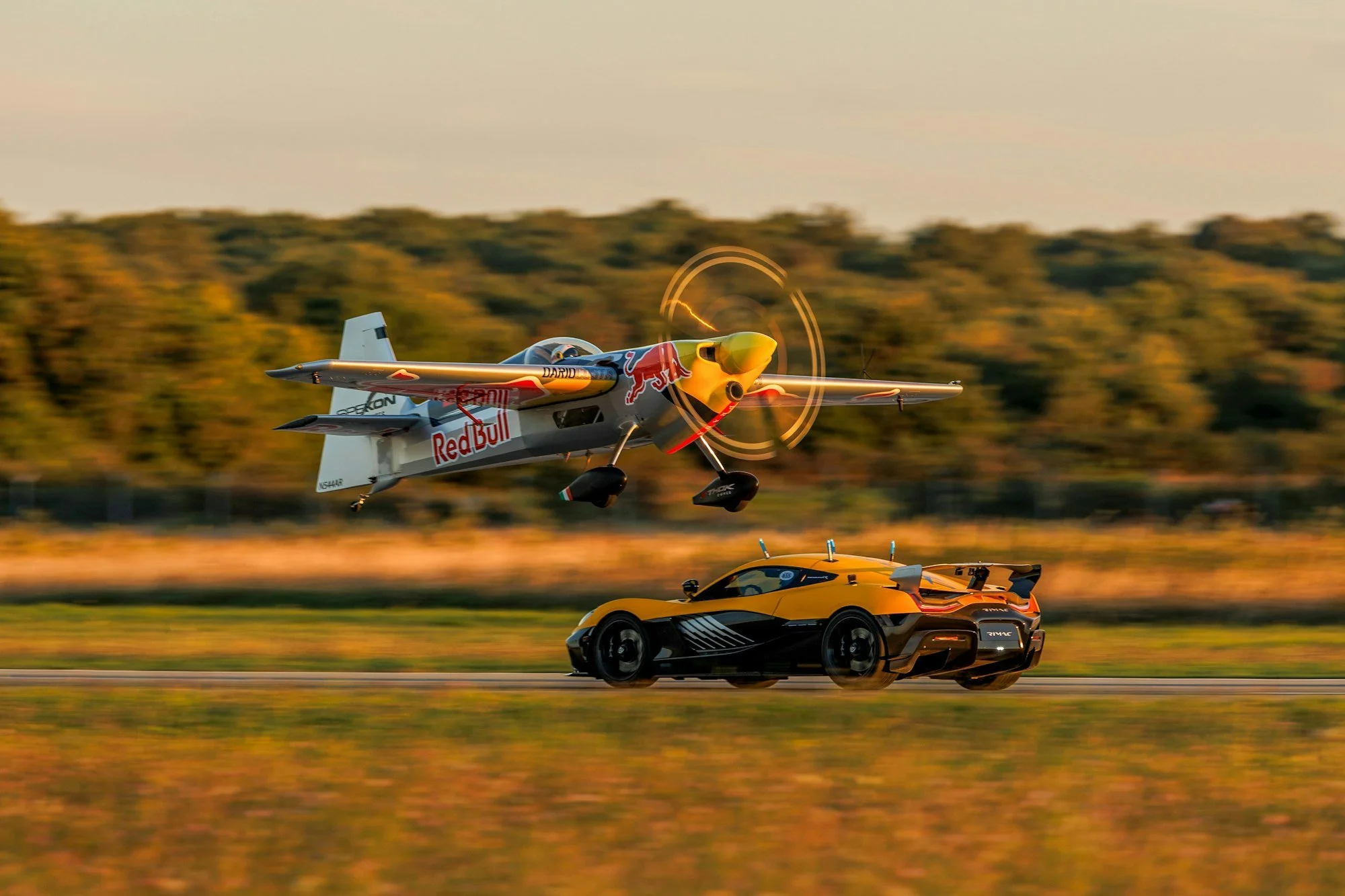
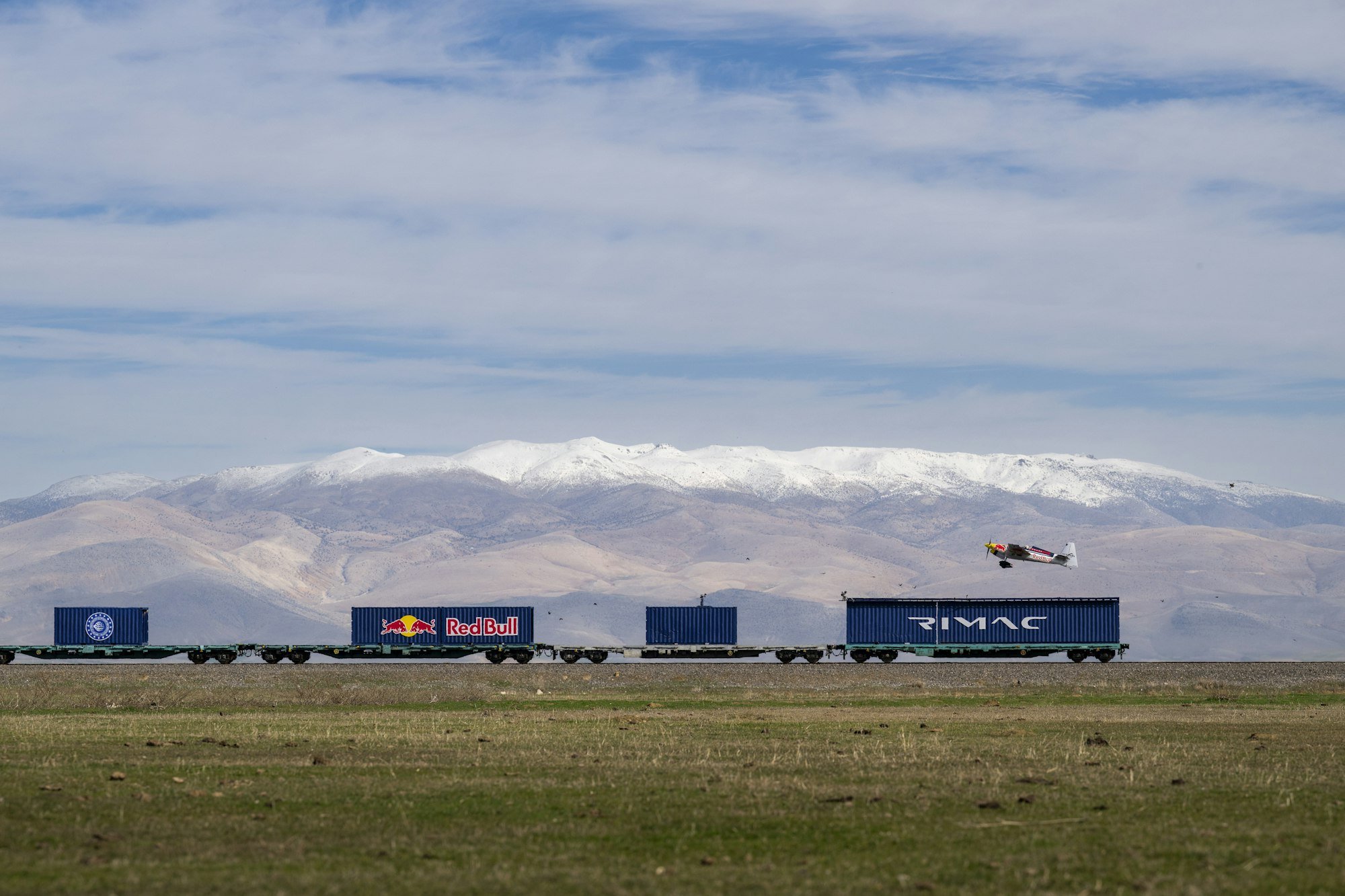
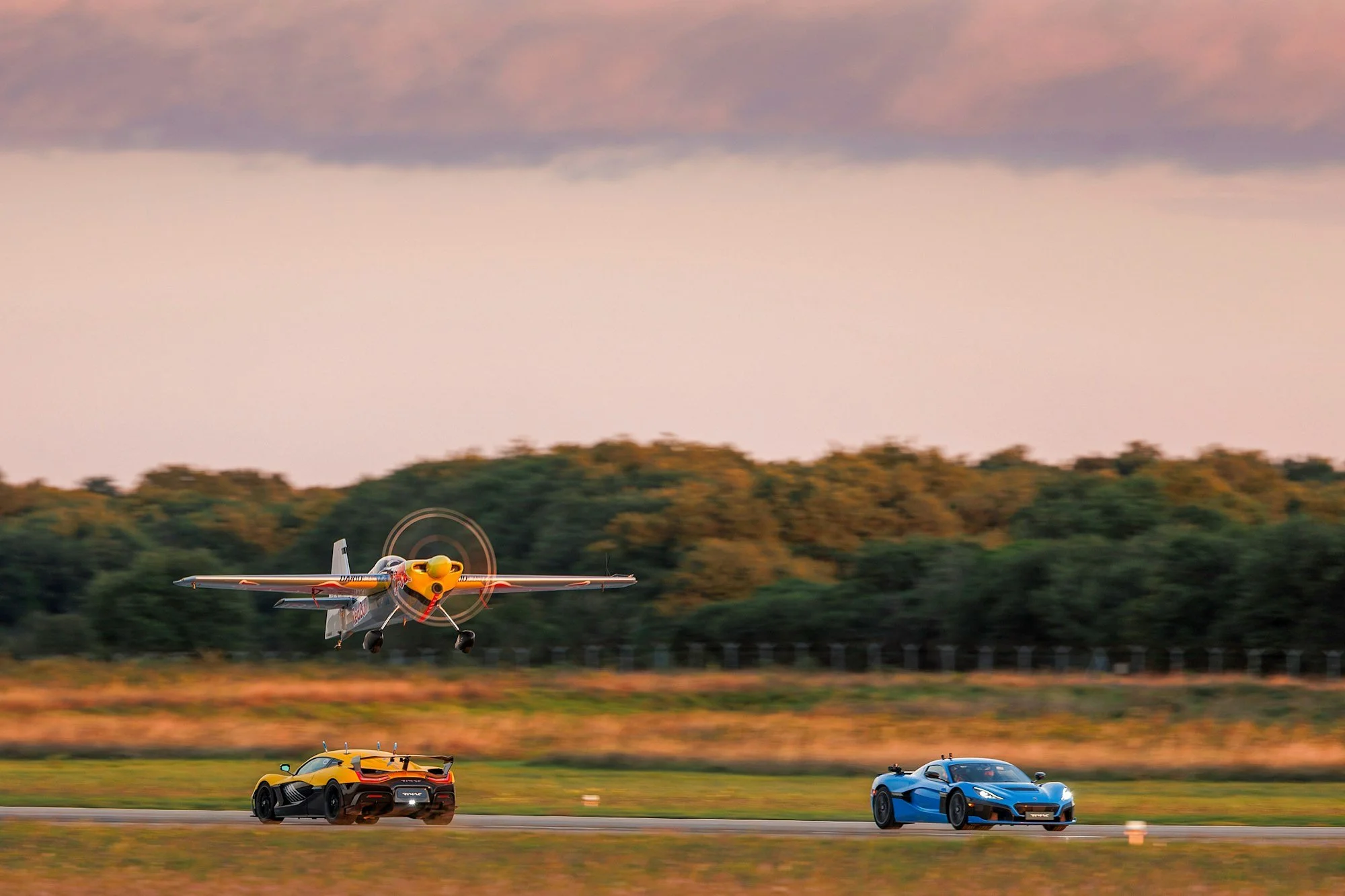
Source: Rimac Automobili Press Release
Engineering Precision Meets Aviation
The collaboration between Rimac and Dario Costa went far beyond simply using a hypercar as a training tool.
Rimac engineers contributed directly to the aircraft’s development, applying their expertise in aerodynamics and materials engineering.
One of the most significant contributions was the creation of a custom-molded Kevlar seat, designed specifically for Costa’s body.
Using 3D scanning technology, the team developed a seat that provided:
maximum stability under high G-forces
improved feedback to the pilot
reduced physical fatigue during intense maneuvers
This level of precision allowed Costa to achieve what he described as “motor embodiment”—a state of complete synchronization between pilot and machine.
Inside Rimac’s Advanced Engineering Facility
The extended film also offers a rare glimpse inside Rimac’s headquarters in Zagreb.
During the project, Costa visited the facility, where both the Nevera R and the Bugatti Tourbillon were being developed simultaneously.
This moment highlights Rimac’s unique position in the automotive world, where cutting-edge electric hypercars and next-generation hybrid performance vehicles are engineered side by side.
The company’s willingness to take on unconventional challenges is central to its identity.
Projects like this demonstrate how Rimac’s expertise extends beyond automotive applications into broader engineering fields, including aviation.
Aerodynamic Innovation and Future Collaboration
The collaboration between Rimac and Costa did not end with the successful landing.
Engineers are continuing to work with the pilot on aerodynamic optimization of his aircraft canopy, using advanced computational fluid dynamics (CFD) tools.
This ongoing partnership reflects the broader potential of cross-industry collaboration, where knowledge from hypercar development can be applied to other high-performance domains.
Inside the Engineering of a World-First Plane Landing | Red Bull x Rimac
Source: Rimac Automobili Youtube
Pushing the Boundaries of Engineering
The Nevera R’s involvement in this project highlights a key aspect of modern hypercars: they are no longer just vehicles, but platforms for advanced engineering innovation.
From record-breaking acceleration to precision-controlled reverse driving, the hypercar’s capabilities enabled a level of training accuracy that would have been difficult to achieve otherwise.
For Rimac, the project represents more than a technical achievement.
It reinforces the company’s philosophy of pushing boundaries and taking on challenges that others might consider impossible.
A New Perspective on Hypercar Capabilities
The extended film provides a unique perspective on how hypercars can be used beyond traditional performance benchmarks.
Rather than focusing solely on speed or lap times, the project demonstrates how engineering excellence can be applied in entirely new contexts.
By supporting a world-first aviation achievement, Rimac has once again proven that innovation in the hypercar world extends far beyond the road.
Disclosure: Some of the links on this website are affiliate links. This means that if you click on one of these links and make a purchase, we may earn a small commission at no extra cost to you.
We only recommend products and services that we trust or that are directly relevant to our content. Affiliate earnings help us keep this platform independent and of high quality.